Field note · Water Heaters
Why Is Your Water Heater Making Popping or Rumbling Noises?
By Private I Plumbing · October 31, 2026
A water heater should operate quietly, so popping or rumbling noises can signal a problem inside the tank. In many homes, these sounds occur because sediment builds up at the bottom of the water heater. However, trapped air, mineral deposits, overheating, or failing components can also cause unusual noises. Understanding why your water heater is making popping or rumbling noises helps you identify the likely cause, prevent further damage, and decide when to call a professional plumber. This blog explains the most common causes, warning signs, and practical solutions for homeowners.
What Causes a Water Heater to Make Popping or Rumbling Noises?
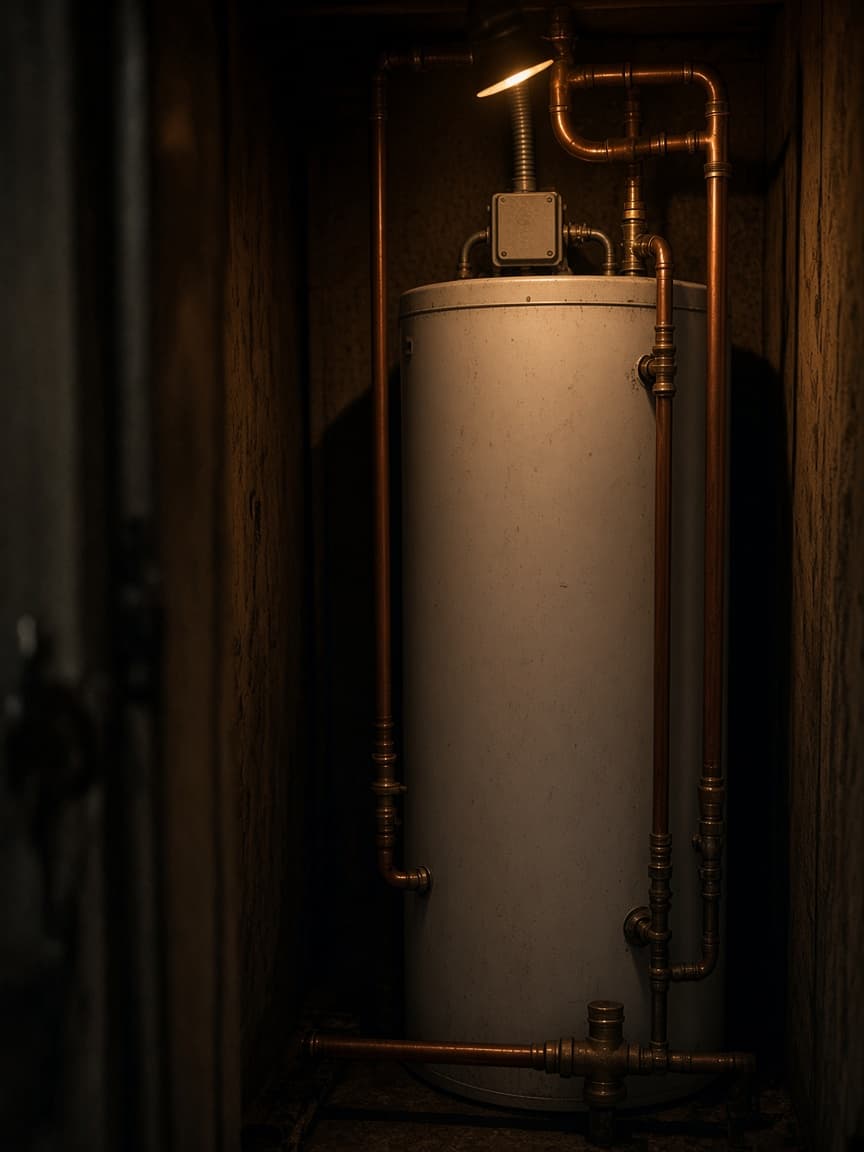
The most common cause of popping or rumbling sounds is sediment buildup inside a tank-style water heater. Over time, minerals naturally present in water settle at the bottom of the tank. As the burner or heating element warms the water, heat can become trapped beneath this layer of sediment. The trapped water eventually forms steam bubbles that escape through the mineral deposits, creating popping, crackling, or rumbling sounds. Although the heater may continue producing hot water, this process can reduce heating efficiency and put additional stress on the tank. Other potential causes include:
Mineral Scale Buildup
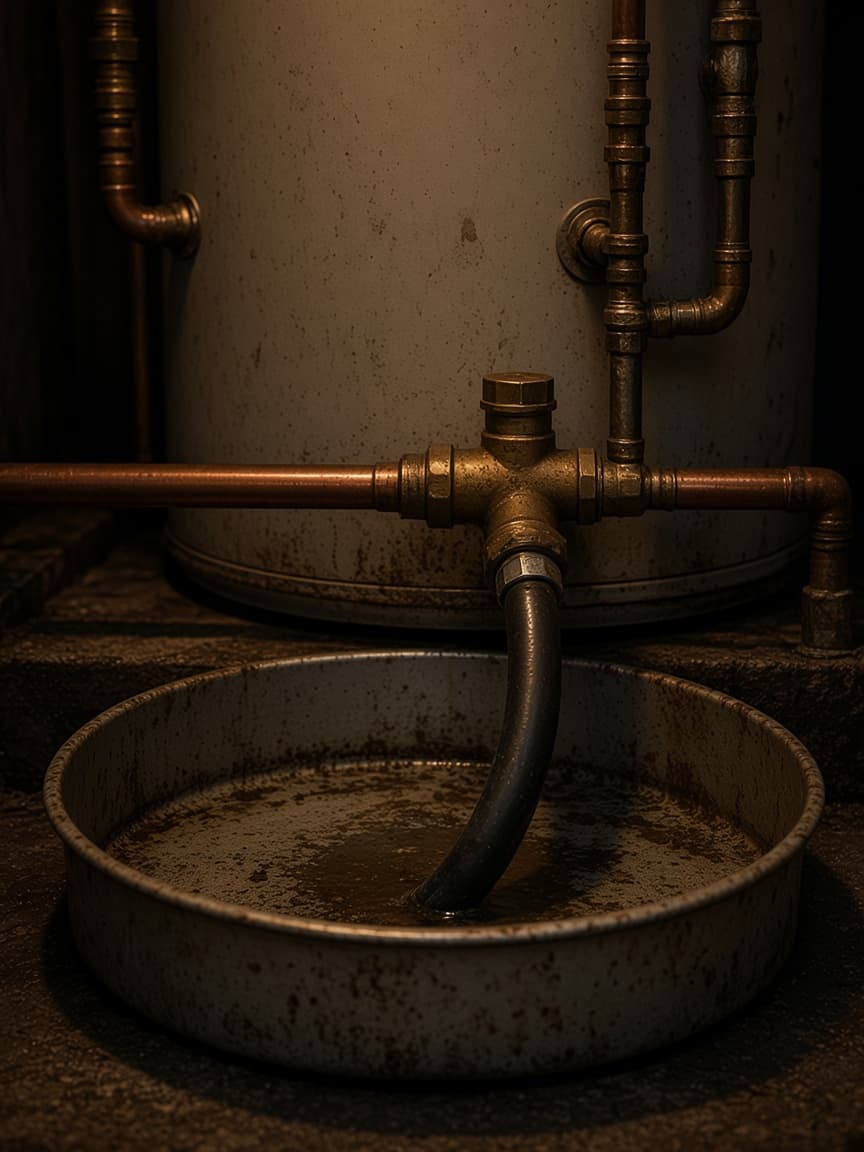
Mineral scale develops when calcium and magnesium in hard water accumulate inside your water heater. These deposits can coat heating elements or settle at the bottom of the tank, trapping heat during operation. As water heats beneath the buildup, popping, crackling, or rumbling sounds may occur. Regular maintenance and professional descaling can help restore heating efficiency and reduce unusual noises.
Trapped Air
Trapped air in your plumbing system can cause bubbling, knocking, or irregular noises near your water heater. Air pockets may enter the pipes after plumbing repairs, maintenance, or interruptions in the water supply. Although some sounds disappear as air escapes, persistent noise may indicate another issue. A qualified plumber can inspect the system, identify the cause, and restore normal water flow.
Excessive Water Temperature
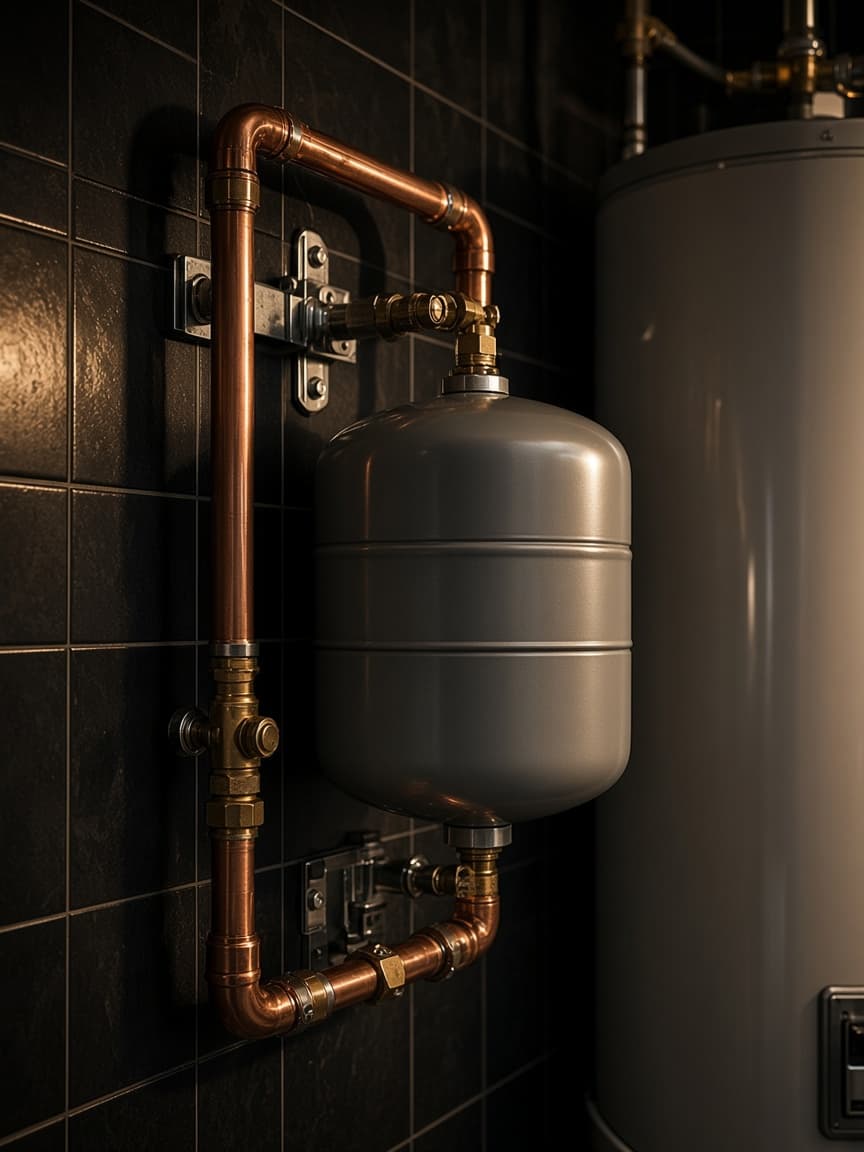
Excessively high water temperature can contribute to unusual water heater noises and increase the risk of scalding. When water becomes too hot, localized boiling may occur around sediment or heating surfaces, creating popping or rumbling sounds. Check the thermostat setting according to the manufacturer's instructions. If temperatures fluctuate or noises continue, contact a qualified plumber to inspect the heater and its safety controls.
Faulty Heating Components
Damaged heating elements in electric water heaters or problems with gas burners can produce unusual operating sounds. Mineral deposits may also collect around heating elements, affecting heat transfer and causing crackling or popping. If your water heater makes persistent noises alongside inconsistent hot water or slow heating, arrange a professional inspection. A technician can identify faulty components and recommend suitable repairs.
Water Pressure Issues
Water pressure problems can create knocking, banging, or rumbling sounds around your water heater and connected pipes. Sudden changes in water flow may cause water hammer, while excessive household pressure can place unnecessary stress on plumbing components. If you notice loud noises when faucets close or appliances stop running, ask a plumber to check the pressure, inspect pipe connections, and recommend appropriate corrective measures.
Is It Dangerous?
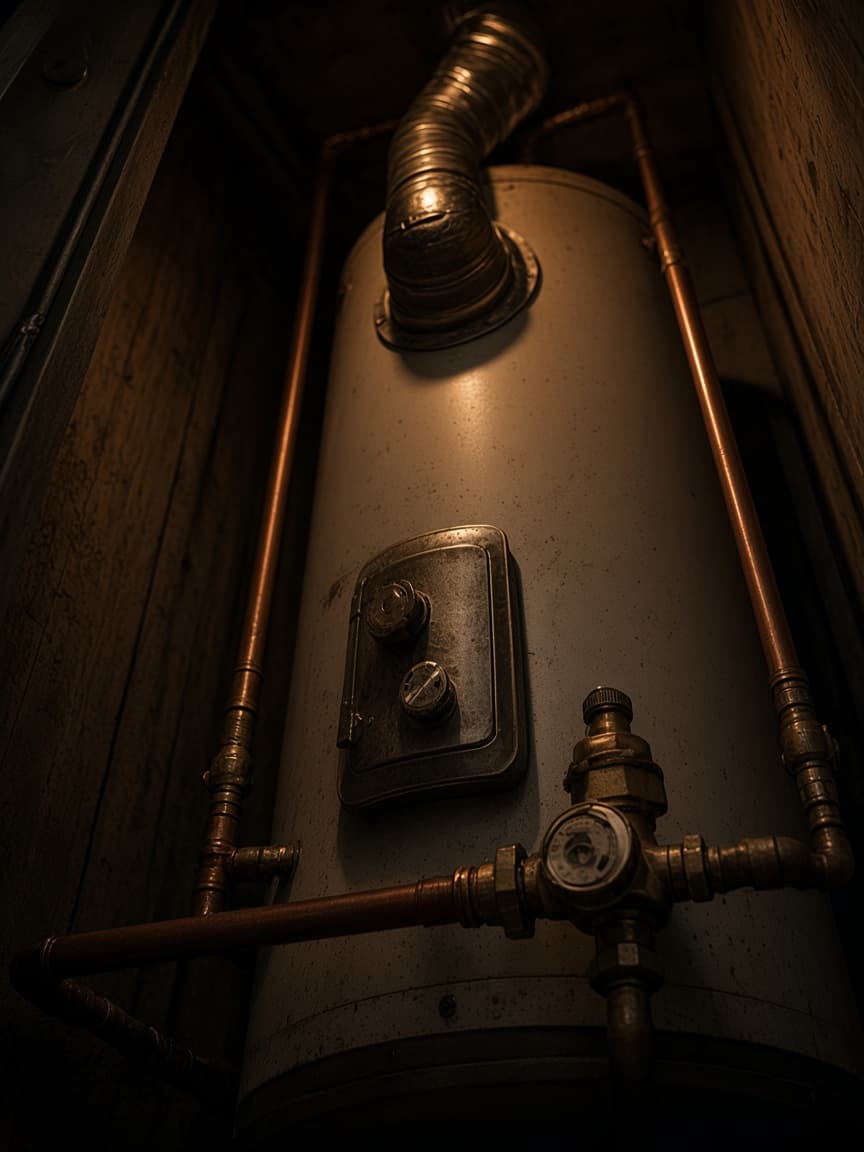
While a noisy water heater isn't about to explode like a movie bomb, it is operating inefficiently.
Higher Energy Bills
Because the sediment acts as a barrier between the heating element and the water, your water heater has to work twice as hard and run twice as long to heat your water.
Tank Damage
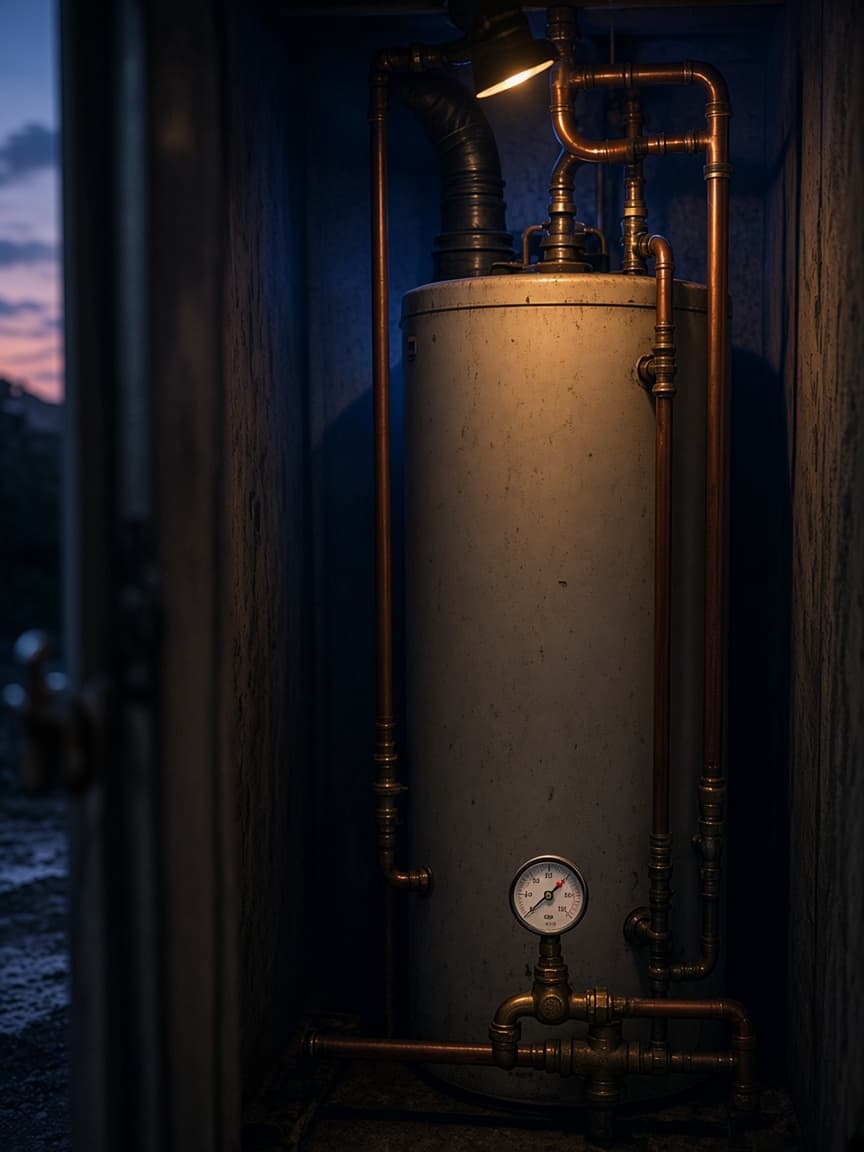
The trapped superheated steam can cause local overheating of the tank's steel floor, stressing the glass lining and eventually leading to leaks or cracks.
How to Fix and Prevent Rumbling Noises?
Fortunately, fixing a noisy water heater usually comes down to one essential maintenance task: flushing the tank.
Turn Off the Power or Gas
Shut off the power supply at your circuit breaker for electric models, or switch the gas valve to the "Pilot" or "Off" position.
Shut Off the Cold Water Supply
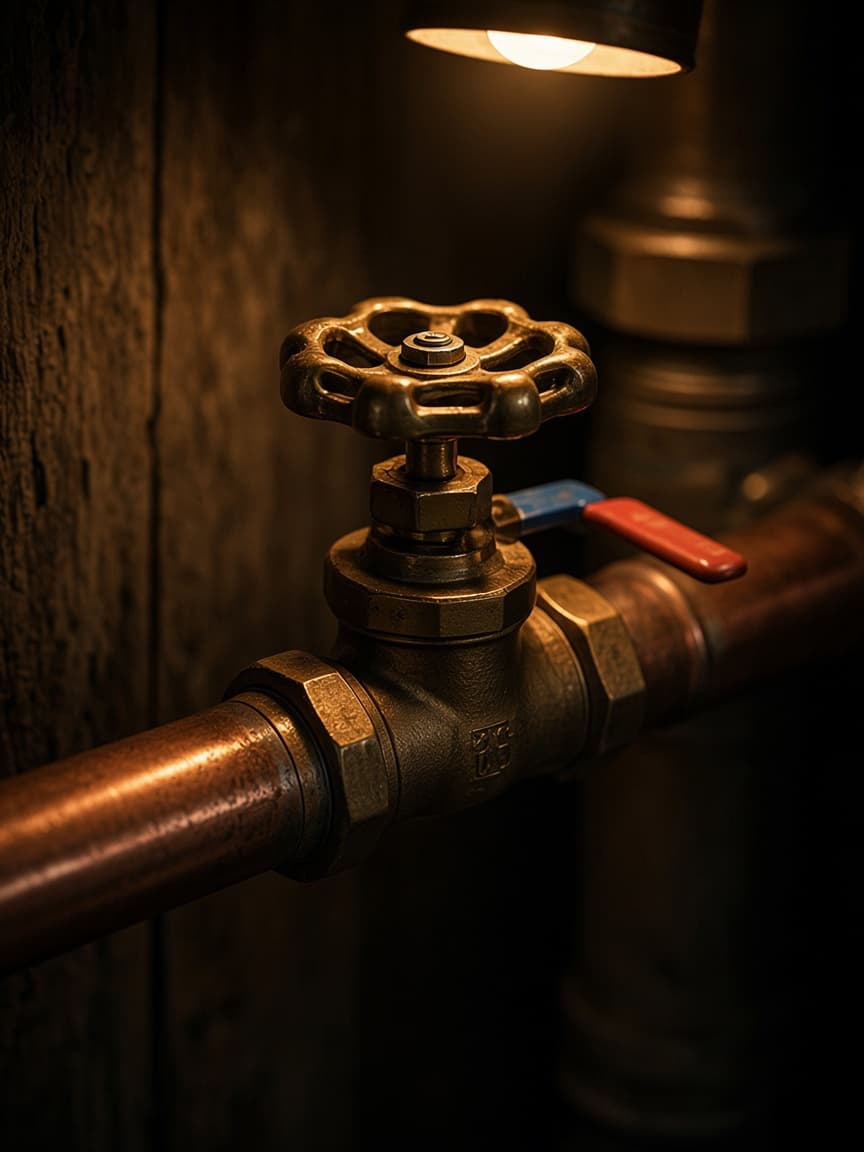
Locate the valve on the cold water pipe running into the top of the heater and turn it off.
Connect a Garden Hose
Attach a standard garden hose to the drain valve at the bottom of the tank, and run the other end to a safe drainage area (like a floor drain or outside).
Open a Hot Water Faucet
Open a nearby hot water faucet in your home to allow air into the system and help the tank drain smoothly.
Open the Drain Valve
Open the tank's drain valve and let the water (and sediment chunks) drain out until it runs clear.
Flush and Close
Briefly open the cold water supply valve with the drain still open to stir up any remaining stubborn sediment. Once the water runs completely clear, close the drain valve, disconnect the hose, refill the tank completely, and restore power/gas.
Close the case
Strange noises coming from your water heater are an early warning sign you shouldn't ignore. In most cases, a simple tank flush will remove the sediment causing those popping sounds, restoring your unit's efficiency and extending its lifespan. However, if flushing doesn't quiet the noise or your heater is aging, contact a licensed plumber to inspect the system before a minor rumble leads to a major leak.
Related files
Keep reading
 Water HeatersWhy Is Your Home’s Hot Water Running Out So Quickly?October 30, 2026Sediment, failed heating elements, broken dip tubes, thermostat issues, and undersized tanks—here’s why hot water disappears fast and how to fix it.Read more
 Water HeatersWhen Should Arlington, WA Homeowners Replace Their Residential Water Heaters?October 28, 2026Lifespans, Arlington-specific wear factors, warning signs, and a clear repair-vs-replace guide for Snohomish County homeowners.Read more
 Water HeatersWhat Should Homeowners Know Before Installing a New Water Heater?October 26, 2026From replacement warning signs to tank vs. tankless, sizing, utility upgrades, and install-day prep—here’s what to know before you put in a new water heater.Read more