
Field note · Water Heaters
What Should Homeowners Know Before Installing a New Water Heater?
By Private I Plumbing · October 26, 2026
Few household breakdowns disrupt daily routines like losing hot water. When it’s time to replace an aging system or install a unit in a new build, rushing into a purchase often leads to undersized tanks, higher utility bills, or unexpected installation fees. Buying a new water heater is a major upgrade for your home's comfort and efficiency. Before scheduling an installation, here is a complete blog to everything you need to know to choose the right unit and ensure a seamless setup.
Key Signs It’s Time to Replace Your Unit
Don't wait for total unit failure—or a flooded basement—before shopping for a replacement. Knowing when your system is nearing the end of its lifespan helps you plan ahead:
Age
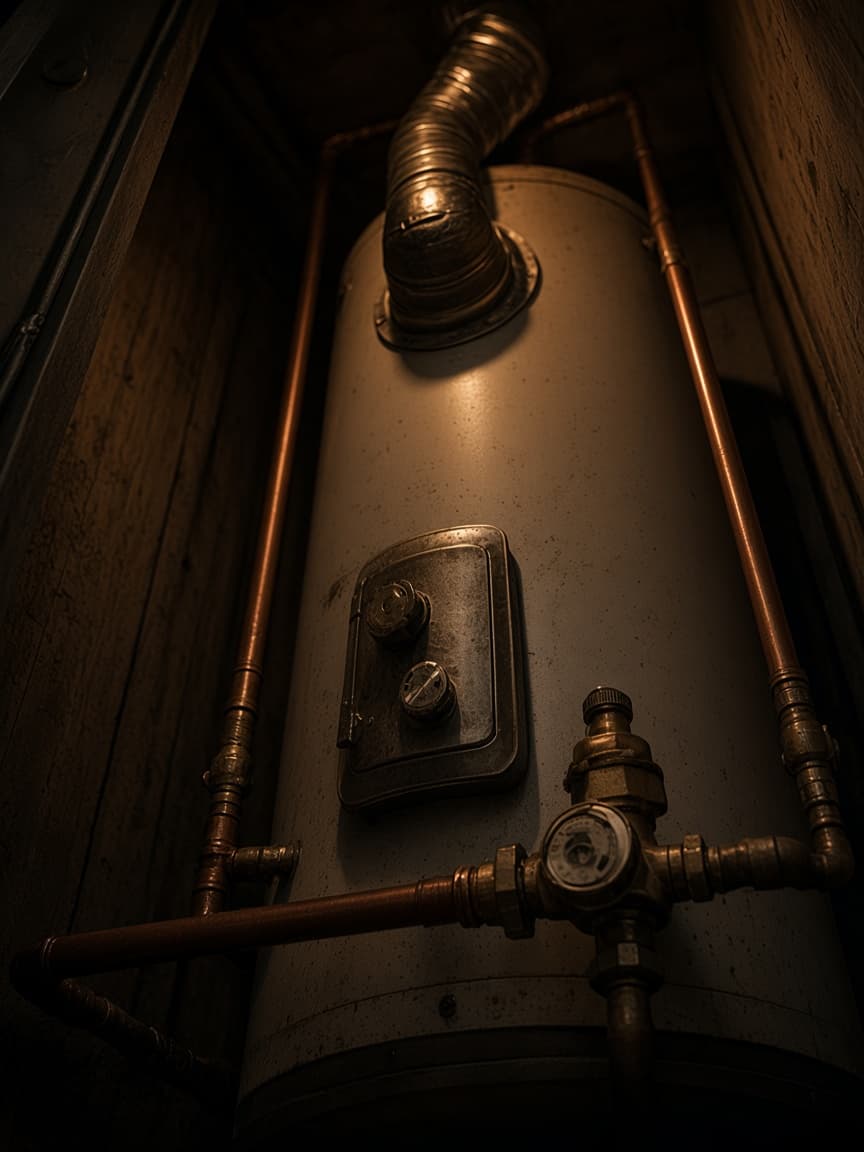
Traditional tank-style water heaters generally last between eight and twelve years, while modern tankless units can perform well for two decades. As system components age, internal heating elements degrade and standby efficiency drops significantly. If your water heater is approaching or past the decade mark, proactive replacement prevents sudden catastrophic breakdown and protects your home from unexpected flooding.
Discolored or Rusty Water
If hot water coming from your faucets appears brown, yellow, or tinted with rust, internal corrosion has likely set in. Over time, protective anode rods wear out, causing the metal tank lining to deteriorate rapidly. Once rusty water flows through your pipes, structural failure is imminent, making immediate system evaluation and replacement essential to maintain safe, clean water.
Strange Noises
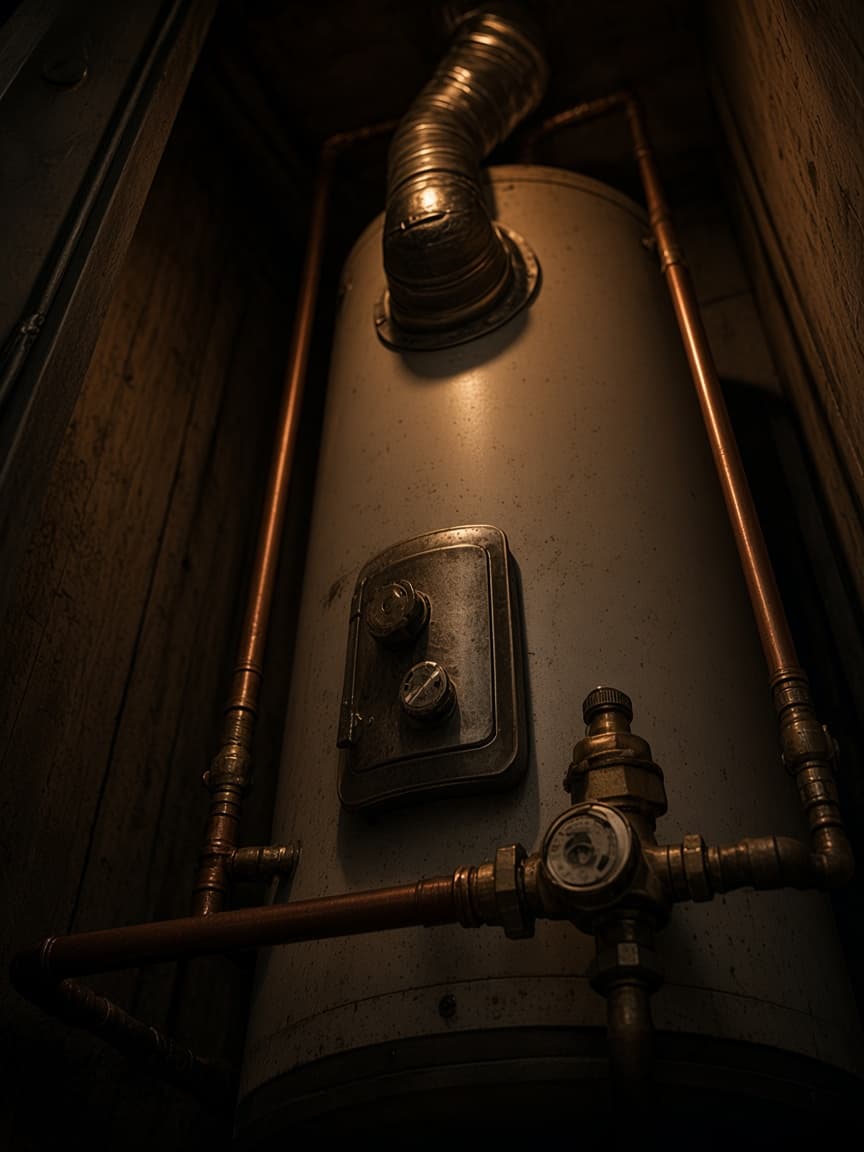
Rumbling, popping, or metallic banging sounds coming from your water heater signal heavy sediment accumulation at the bottom of the tank. As minerals bake into hard layers, trapped water boils underneath, causing loud cracking noises and forcing the heating element to work much harder. Left unaddressed, severe sediment buildup causes thermal stress, overheating, and premature tank rupture.
Leaks or Pooling Water
Discovering moisture, active drips, or pooling water around your water heater indicates a serious structural issue. While loose valves or faulty fittings can sometimes be tightened, standing water leaking directly from the tank outer shell means internal fracture has occurred. To prevent severe property damage, structural rot, and dangerous mold growth, replacement must be scheduled immediately.
Choosing the Right Type: Tank vs. Tankless
Selecting the right configuration impacts your upfront costs, continuous hot water availability, and monthly energy expenses.
| Feature | Conventional Storage Tank | Tankless (On-Demand) |
|---|---|---|
| How It Works | Keeps hot water ready 24/7 | Heats water instantly as it flows |
| Space Required | Requires dedicated floor space | Compact; wall-mounted |
| Lifespan | 8–12 Years | 15–20+ Years |
| Upfront Cost | Lower | Higher |
| Energy Efficiency | Standard (Standby heat loss) | High (Heats only when needed) |
Sizing Your Unit Correctly
Getting the right size ensures you don't run out of hot water midway through a shower or waste energy keeping an oversized tank hot.
For Storage Tanks (First Hour Rating)
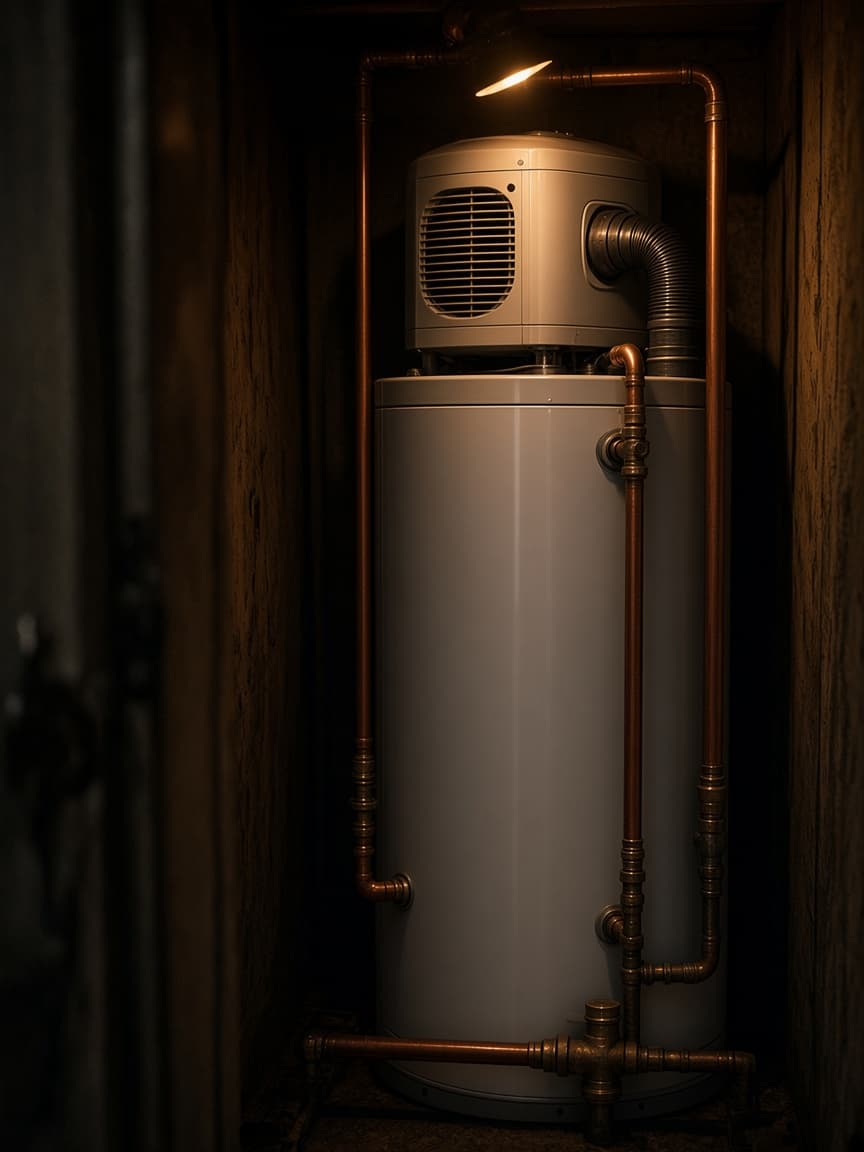
Look at the unit’s First Hour Rating (FHR)—the total gallons of hot water it can supply in one hour starting with a full tank.
| Occupants | Recommended Tank Size |
|---|---|
| 1–2 Occupants | 30 to 40 gallons |
| 3–4 Occupants | 50 to 60 gallons |
| 5+ Occupants | 75+ gallons |
For Tankless Systems (Gallons Per Minute)
Measure the combined Gallons Per Minute (GPM) of all fixtures running simultaneously (e.g., running a shower at 2.0 GPM and a dishwasher at 1.5 GPM requires a unit that delivers at least 3.5 GPM at your local groundwater temperature drop).
Upstream Requirements: Power, Fuel, and Plumbing Upgrades
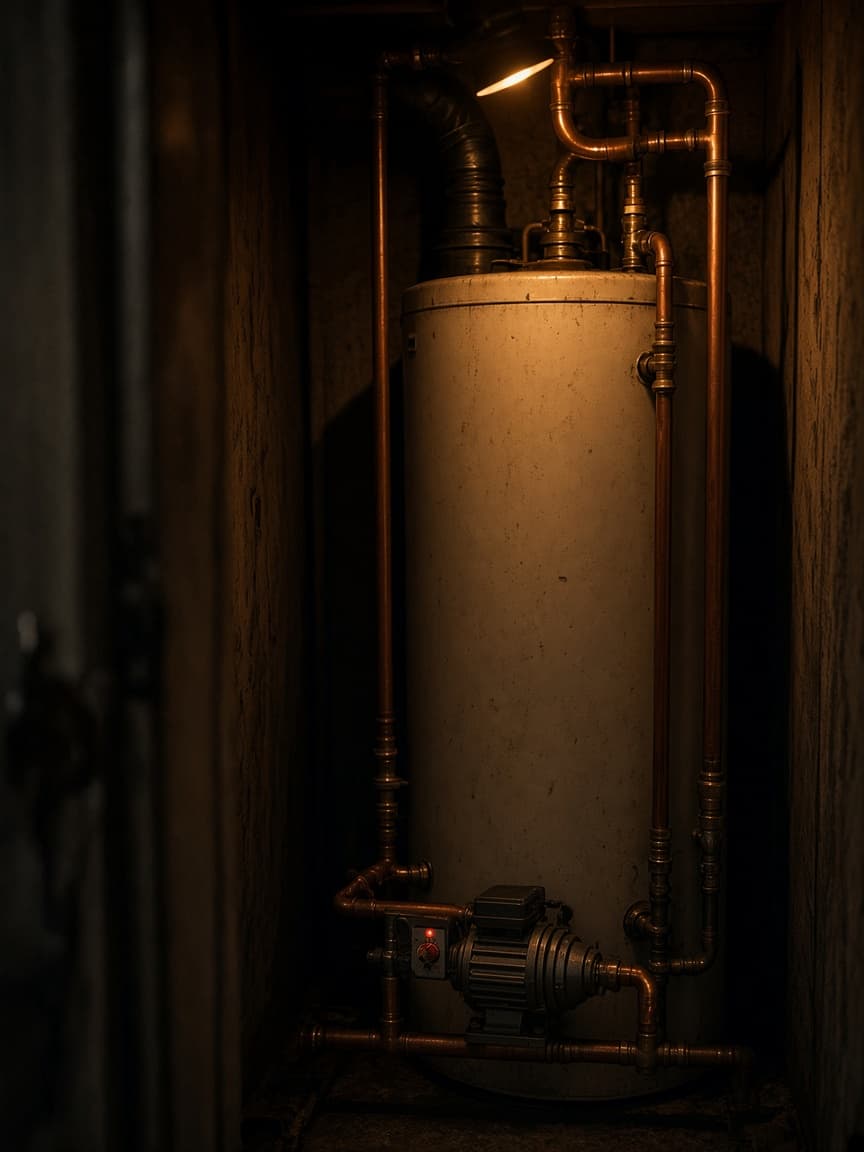
Replacing a water heater isn't always a simple "plug-and-play" swap. Switching fuel sources or switching from tank to tankless often requires structural or utility adjustments:
Gas Supply Lines
Switching to a high-demand tankless water heater or upgrading unit configurations often requires a wider gas supply line. Standard residential gas lines may not deliver the high BTU output required for instantaneous heating. A professional evaluation ensures your gas piping can safely handle increased fuel flow without causing pressure drops, system starvation, or hazardous performance failures.
Electrical Panel Capacity
Electric tankless water heaters draw massive electrical loads that can easily overload standard household breaker panels. Many homes require a service upgrade to 200 amps or dedicated heavy-duty circuits to support instantaneous heating elements. Assessing your electrical panel capacity beforehand prevents tripped breakers, wiring hazards, and expensive post-installation electrical work.
Venting Systems
Modern high-efficiency tankless and gas water heaters produce low-temperature exhaust and acidic condensation. Unlike traditional atmospheric units that utilize standard metal flues, these systems require specialized PVC, CPVC, or stainless steel venting materials. Correct installation through exterior walls or roofs is critical to safely expel combustion gases and protect your building structure from moisture damage.
Thermal Expansion Tanks
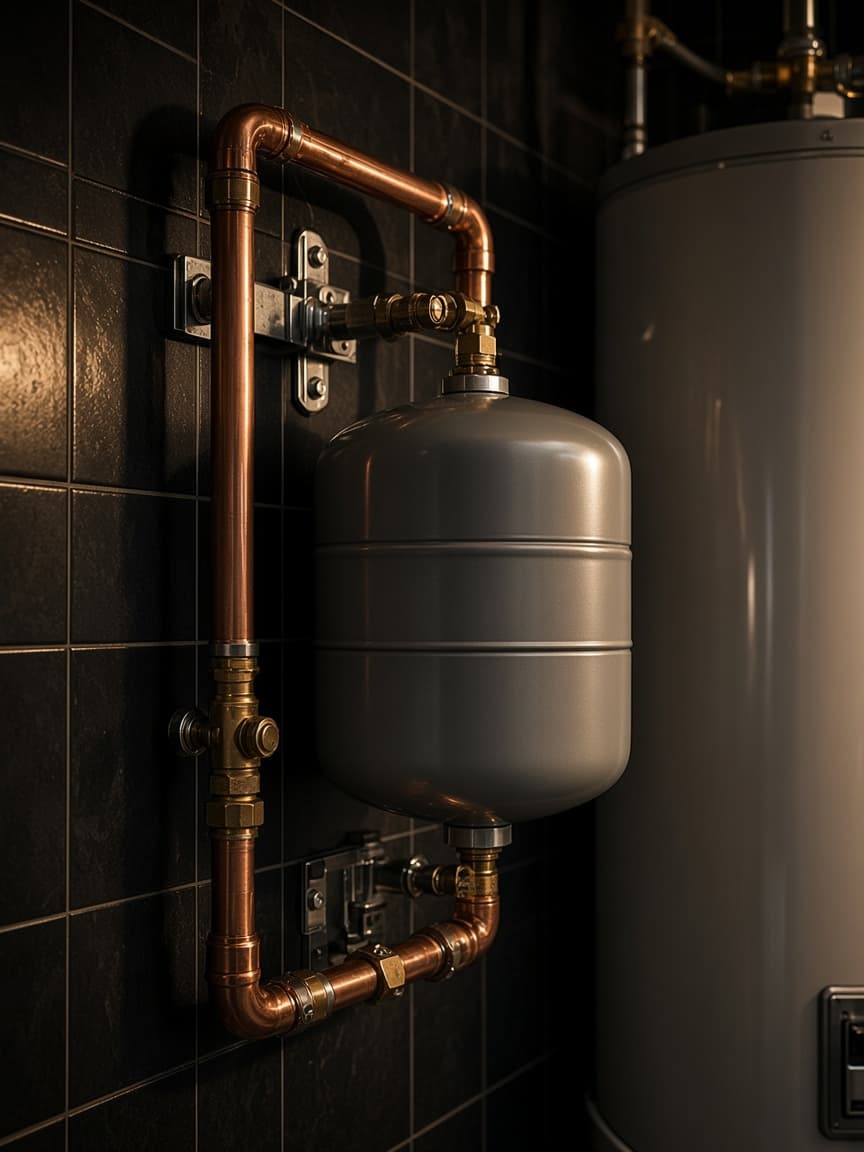
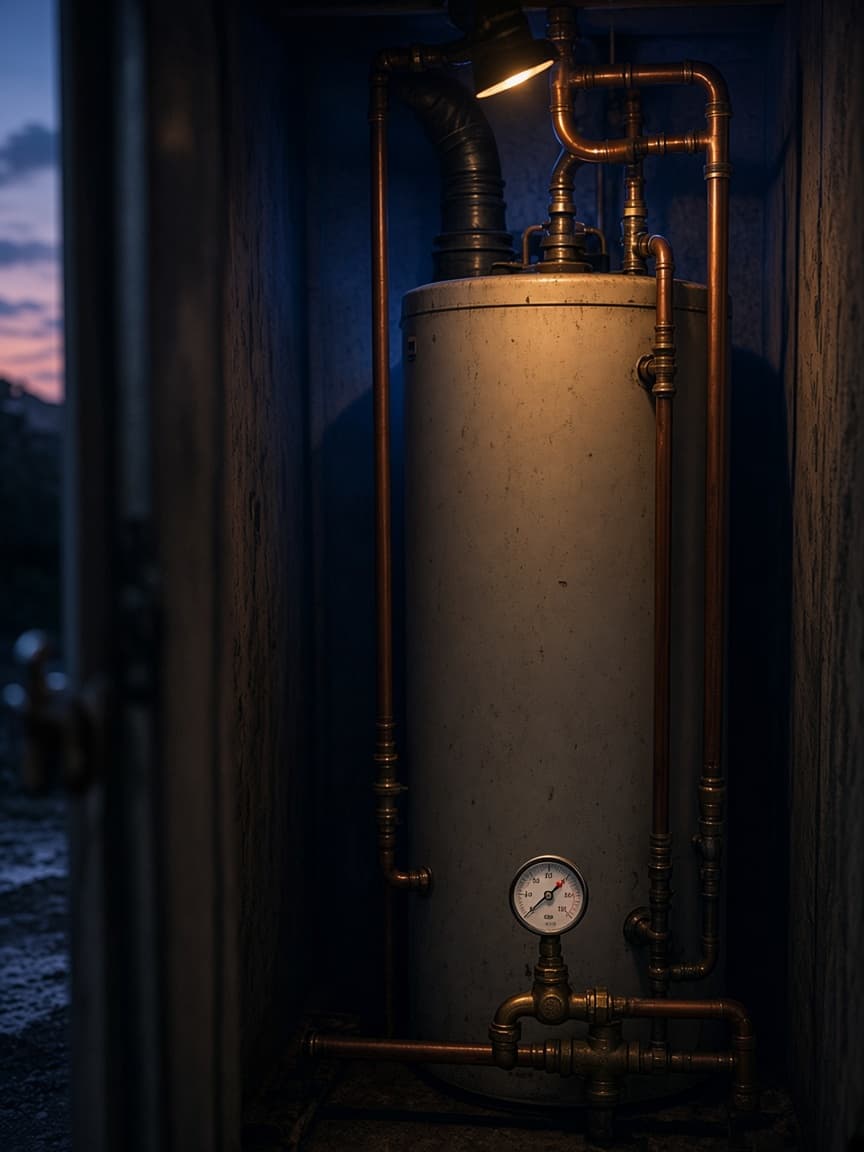
When water heats inside a closed residential plumbing system, it expands, causing sharp spikes in water pressure. Installing a thermal expansion tank on your cold water inlet line absorbs this extra volume, protecting pipes, valves, and your primary water heater tank from stress. Many local building codes now strictly mandate thermal expansion tanks for safety compliance.
Preparing for Installation Day
To make installation smooth and prevent unnecessary labor hours, prepare your space in advance:
Clear the Access Path
Before technicians arrive, ensure a broad, unobstructed route leads directly from your driveway or entrance to the installation site. Clear away stored boxes, laundry, furniture, and clutter from hallways, stairwells, and doorways. Providing ample space allows plumbers to safely transport heavy, bulky equipment into position without damaging your home's walls, floors, or door frames during transit.
Inspect Floor & Drain Conditions
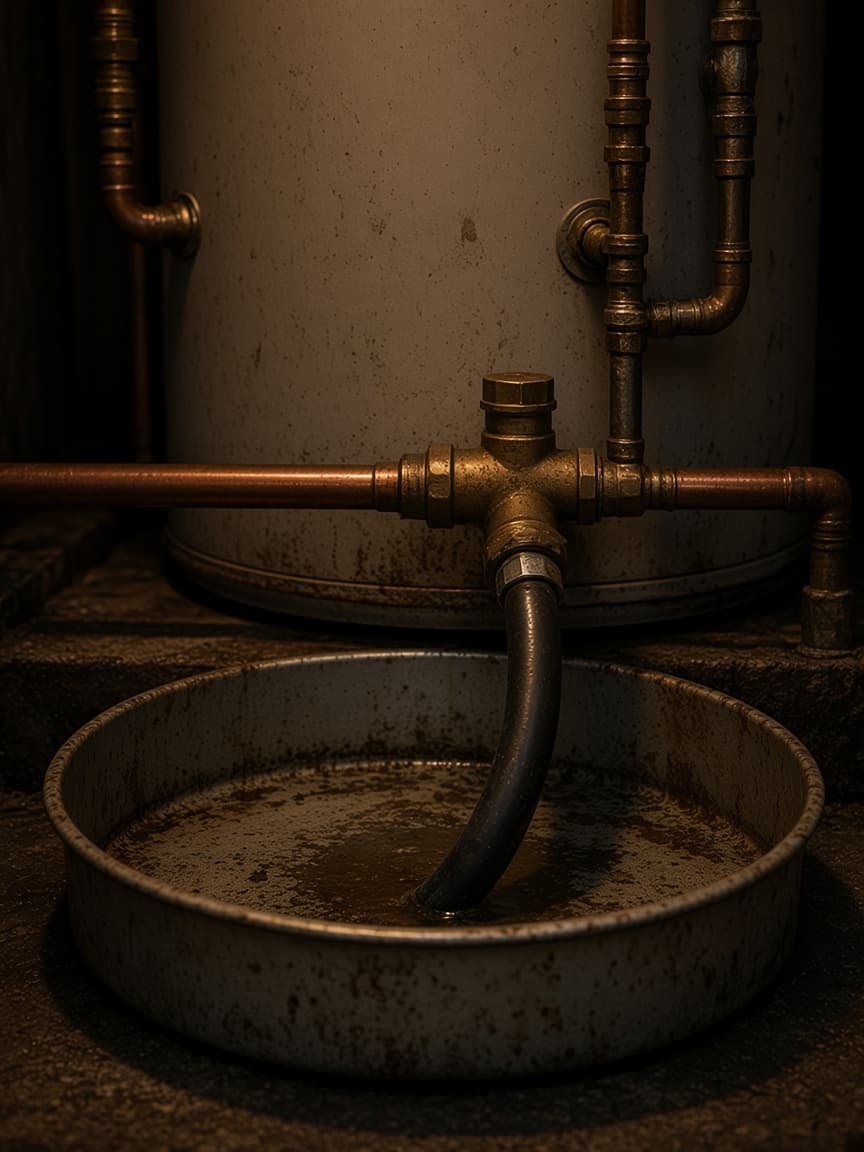
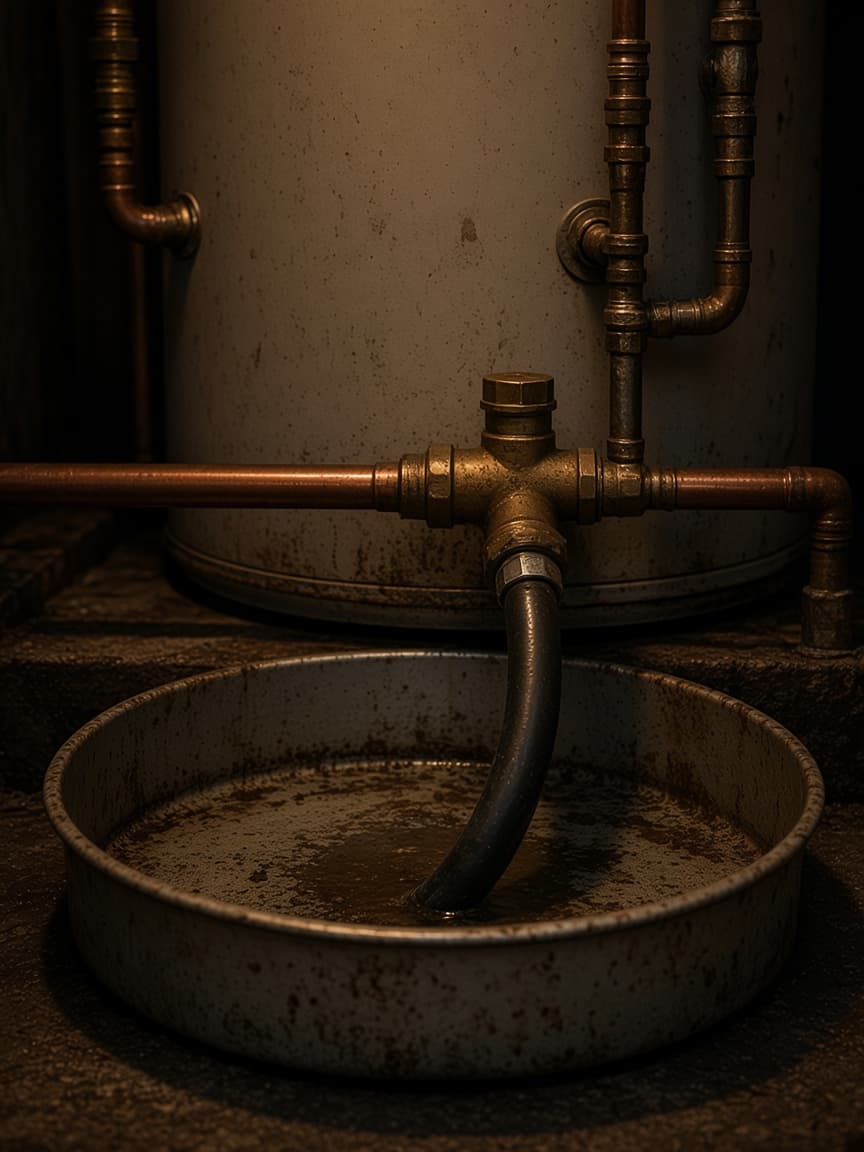
Prior to mounting or placing a new water heater, check that the floor surface is structurally sound and level. Installing a corrosion-proof drain pan connected to a dedicated discharge line protects surrounding subflooring from future leaks. Inspecting nearby floor drains ensures proper slope and clearance, preventing standing water damage should emergency pressure relief or tank drainage occur.
Verify Permits
Most municipal building codes mandate official plumbing permits and post-installation safety inspections for water heater replacements. Working with a licensed installer ensures all work meets current safety regulations, local pipe standards, and manufacturer specifications. Proper permitting protects your home investment, keeps property insurance coverage valid, and prevents costly municipal code violation penalties during future home sales.
Close the case
Upgrading your home’s water heater is a vital investment in daily comfort, energy performance, and safety. By recognizing warning signs early, sizing your unit correctly, and accounting for essential plumbing and electrical upgrades, you avoid costly emergency repairs down the road. Working with a licensed professional guarantees safe, code-compliant installation—giving you peace of mind and dependable hot water on demand for years to come.
Related files
Keep reading
 Water HeatersWhen Should Arlington, WA Homeowners Replace Their Residential Water Heaters?October 28, 2026Lifespans, Arlington-specific wear factors, warning signs, and a clear repair-vs-replace guide for Snohomish County homeowners.Read more
 Water HeatersHow Much Does Water Heater Replacement Cost for a Home in Washington?October 25, 2026Washington homeowners typically pay $1,800–$4,500 to replace a water heater. See costs by type, labor and code drivers, and how rebates can lower your bill.Read more
 Water HeatersShould You Repair or Replace an Old Water Heater in Your Home?October 24, 2026Age, repair costs, red flags, and efficiency—use these factors to decide whether fixing your water heater or replacing it is the smarter move.Read more