Field note · Water Heaters
Why Is Your Home’s Hot Water Running Out So Quickly?
By Private I Plumbing · October 30, 2026
There is nothing quite like stepping into a warm, relaxing shower after a long day—only to be blasted by an icy stream of cold water five minutes later. If your home’s hot water seems to vanish in the blink of an eye, you aren't alone. Running out of hot water unexpectedly is one of the most common residential plumbing issues. While it is easy to assume you just need a brand-new water heater, the solution is often much simpler. Here are the top reasons your hot water is running out too quickly and what you can do to fix it.
Sediment Buildup in the Water Tank
Sediment buildup is one of the most common reasons tank water heaters lose efficiency. Over time, naturally occurring minerals present in your water supply settle at the bottom of the tank. As this sediment layer thickens, it takes up valuable space that should hold hot water. It also forms a barrier between the heating element and the water, forcing your unit to work much harder and run out faster.
A Failing or Broken Heating Element
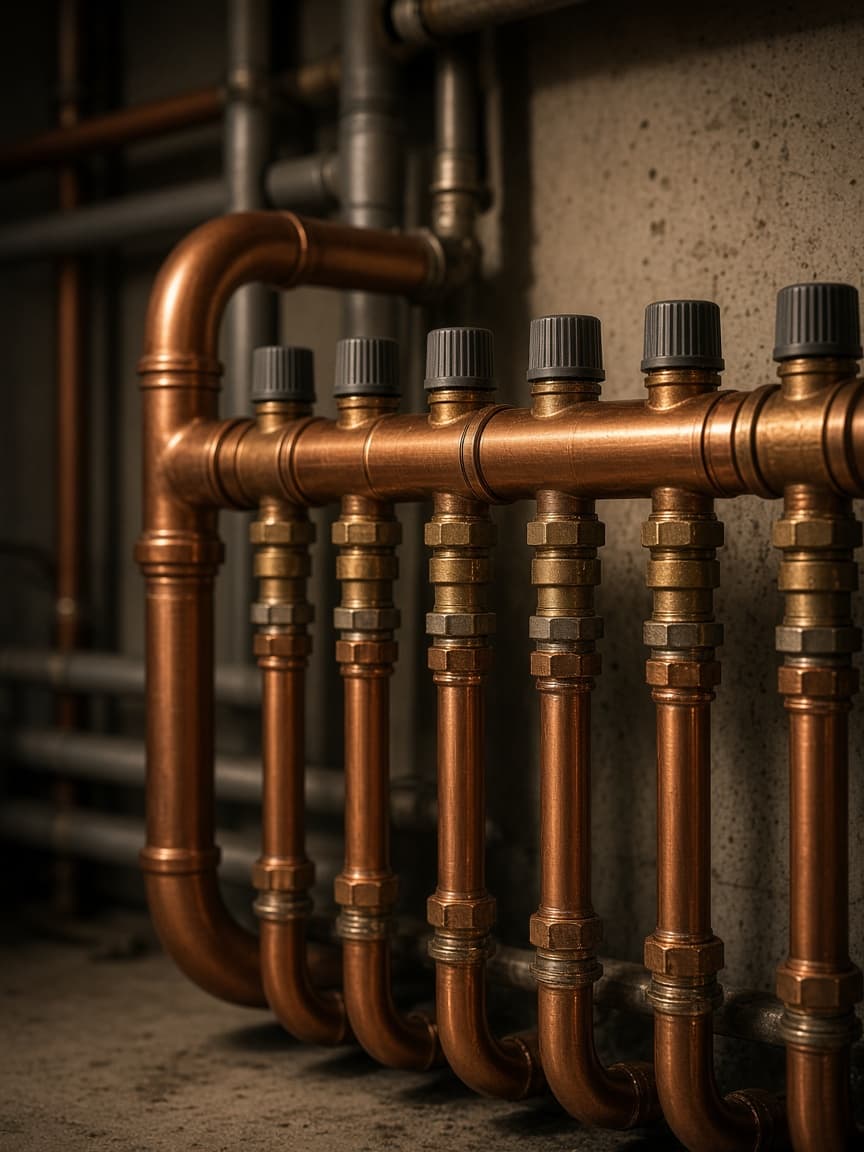
Electric water heaters depend on two distinct heating elements—an upper and a lower one—to keep your household water consistently hot. If one of these electrical components breaks down or burns out completely, your system's overall performance drops dramatically. Instead of a full tank of hot water, you may notice it turns ice cold within minutes. Recognizing this failure early prevents total system breakdown and helps restore reliable daily performance quickly.
A Fractured Dip Tube
The dip tube is a critical plastic pipe that channels cold incoming water directly to the bottom of your heater tank, ensuring efficient heating. When this tube cracks or disintegrates, incoming cold water mixes directly with the already-heated water sitting near the top. This sudden dilution causes your shower water to turn lukewarm or freezing cold almost instantly, drastically cutting down your home’s available supply of usable hot water.
Thermostat Issues or Incorrect Settings
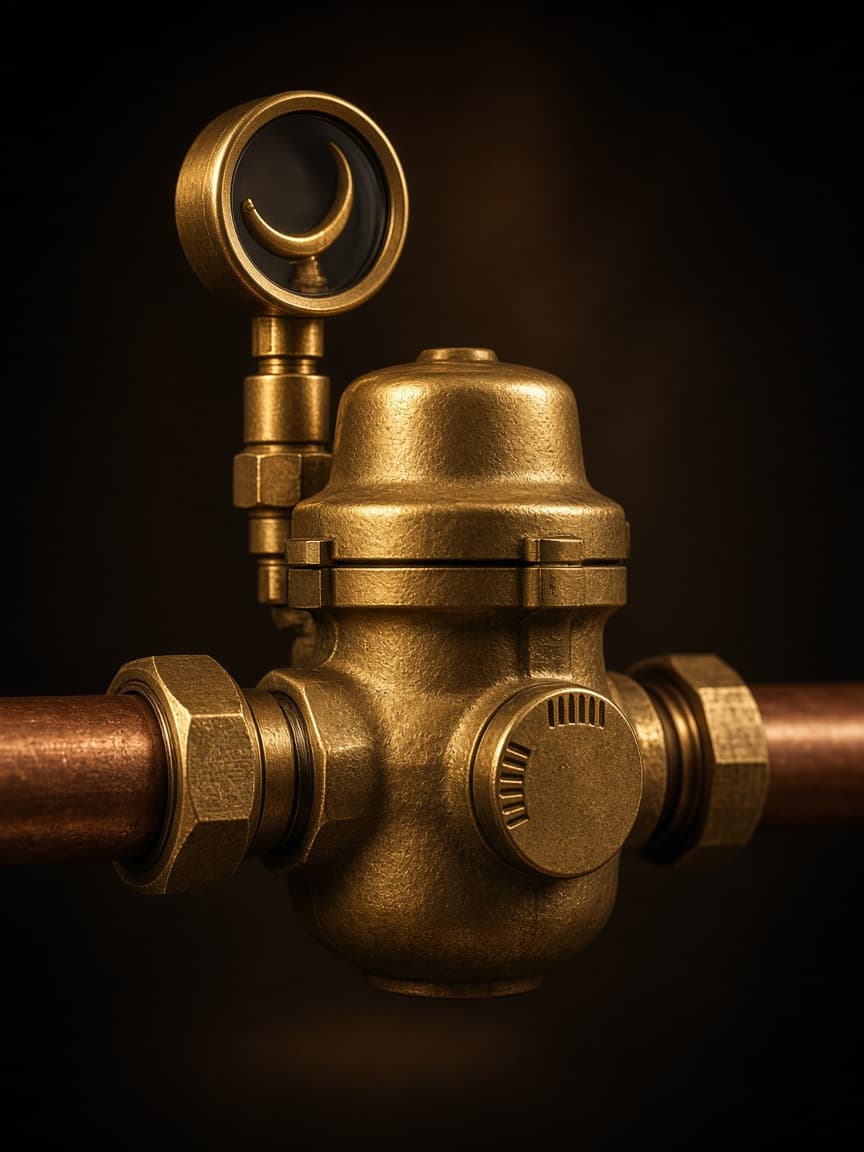
Your water heater thermostat regulates overall temperature, keeping water hot without overheating your tank. When the thermostat malfunctions or is accidentally set too low, your hot water runs out much faster during daily use. Because a miscalibrated thermostat shuts down burners or heating elements prematurely, you are left with lukewarm showers and an unreliable hot water supply, making immediate adjustment or targeted repair essential for household comfort.
Your Water Heater Is Undersized for Your Household
An undersized water heater simply cannot keep up with high daily demands. If your unit lacks the capacity to store or heat sufficient water for your family, your supply depletes rapidly during peak usage hours. Running multiple showers, appliances, or back-to-back loads of laundry quickly drains the tank, leaving household members stuck with freezing cold showers and leading to constant frustration throughout your daily morning and evening routines.
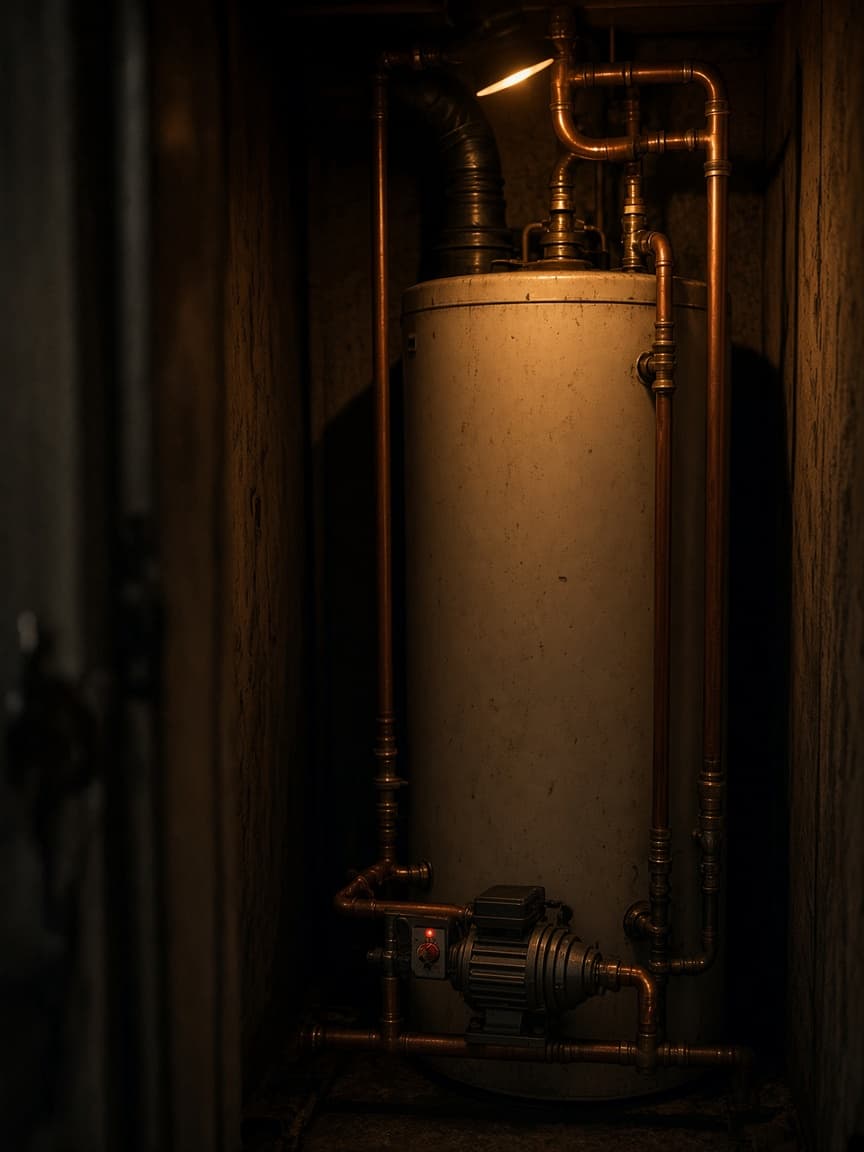
The Water Heater Is Reaching the End of Its Life
Like all household appliances, water heaters have a finite lifespan. Standard tank water heaters generally last between 8 to 12 years, while tankless units can last up to 20 years.
Signs Your Unit Is Aging Out
Constant hot water shortages despite light usage. Strange popping or rumbling noises coming from the tank. Rusty or discolored tap water. Leaks or moisture surrounding the base of the unit.
Quick Comparison: What’s Causing Your Hot Water Shortage?
| Common Cause | Key Symptoms | Recommended Action |
|---|---|---|
| Sediment Buildup | Rumbling/popping noises, gradual loss of hot water | Flush and drain the tank |
| Broken Dip Tube | Water turns lukewarm almost immediately | Replace the dip tube |
| Burnt Heating Element | Water warms up briefly then turns cold | Replace upper/lower heating element |
| Undersized Unit | Hot water runs out only during peak usage hours | Upgrade tank capacity or go tankless |
| Aging System | Unit is 10+ years old, frequent repairs needed | Replace water heater |
Close the case
Running out of hot water quickly is a frustrating disruption, but identifying the root cause makes finding the right solution simple. Whether your system suffers from sediment accumulation, a fractured dip tube, failing electrical elements, or inadequate tank capacity, addressing these issues promptly restores reliable comfort. Inspect your unit regularly, perform routine maintenance, and consult a licensed plumber when repairs are needed to ensure consistent, warm water every single day.
Related files
Keep reading
 Water HeatersWhy Is Your Water Heater Making Popping or Rumbling Noises?October 31, 2026Popping or rumbling from your water heater usually means sediment, mineral scale, air, high temperature, or pressure issues—here’s what causes it and how to fix it.Read more
 Water HeatersWhen Should Arlington, WA Homeowners Replace Their Residential Water Heaters?October 28, 2026Lifespans, Arlington-specific wear factors, warning signs, and a clear repair-vs-replace guide for Snohomish County homeowners.Read more
 Water HeatersWhat Should Homeowners Know Before Installing a New Water Heater?October 26, 2026From replacement warning signs to tank vs. tankless, sizing, utility upgrades, and install-day prep—here’s what to know before you put in a new water heater.Read more