Field note · Water Heaters
When Should Arlington, WA Homeowners Replace Their Residential Water Heaters?
By Private I Plumbing · October 28, 2026
A reliably running water heater is essential for any Snohomish County home. From brisk Pacific Northwest mornings to washing load after load of rain-drenched laundry, local households depend heavily on consistent hot water. However, residential water heaters do not last forever. Knowing when to replace your water heater—rather than waiting for a catastrophic leak or an icy cold shower—saves you money, prevents costly property damage, and ensures energy efficiency. This blog breaks down average lifespans, local factors in Arlington, Washington, key warning signs, and how to decide whether to repair or replace your system.
Average Lifespan of Residential Water Heaters
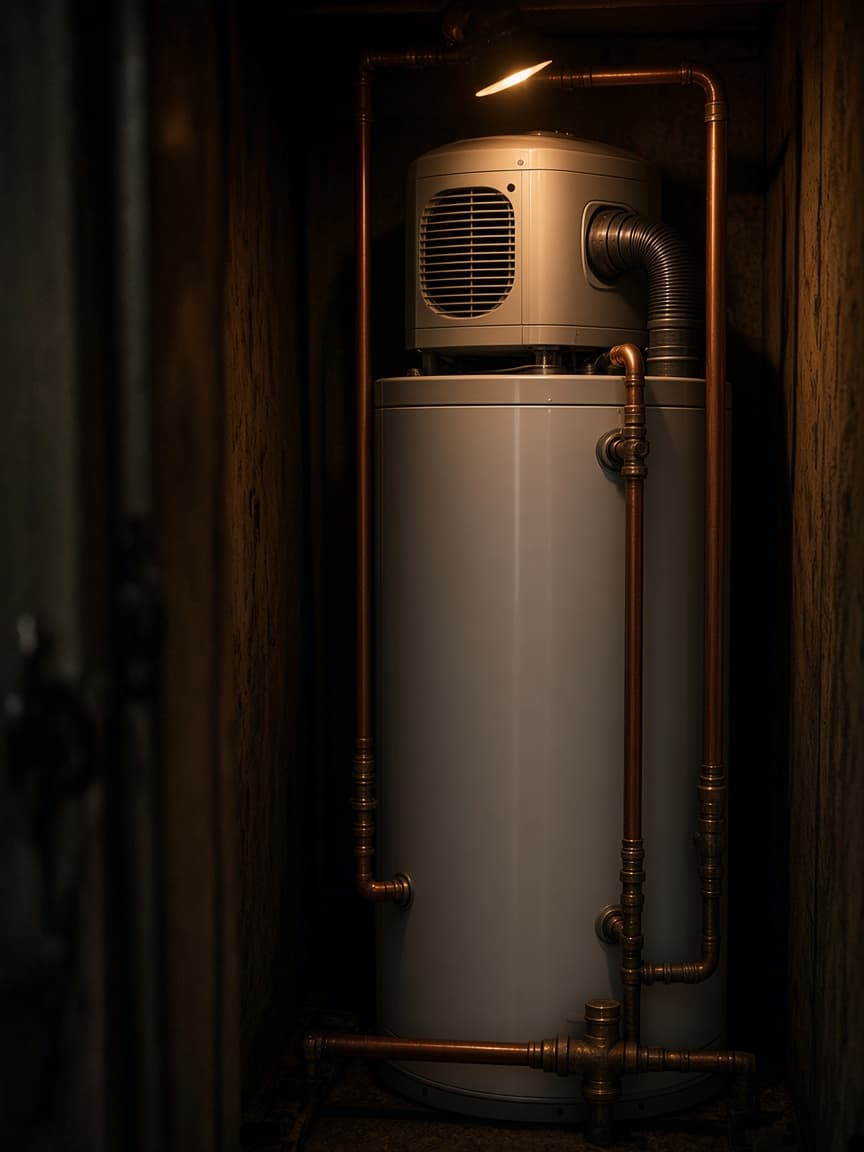
The first factor to evaluate when considering a replacement is the age and type of your current equipment.
| Water Heater Type | Average Lifespan | Key Characteristics |
|---|---|---|
| Traditional Tank (Gas) | 8–10 Years | Heats water continuously; prone to mineral accumulation. |
| Traditional Tank (Electric) | 10–12 Years | Operates via heating elements; susceptible to sediment crusting. |
| Hybrid Heat Pump | 10–15 Years | Highly energy-efficient; uses surrounding air to heat water. |
| Tankless Water Heater | 15–20+ Years | Heats water on demand; lower risk of internal corrosion. |
Local Arlington, WA Factors That Accelerate System Wear
Homeowners in Arlington and surrounding Pacific Northwest areas face specific regional conditions that impact plumbing longevity:
Mineral Content & Hard Water Deposits
Depending on whether your home is hooked up to city municipal lines or a private well in rural Arlington, groundwater can contain varying levels of calcium and magnesium. Over time, these minerals settle at the bottom of standard storage tanks, baking into a hard crust that insulates water from the heating element.
Cold Seasonal Water Temperatures
In the winter months, incoming municipal supply water is significantly colder. Your heater must work twice as hard to bring water to target temperatures, causing increased thermal expansion and structural stress on the inner steel lining.
Plumbing Code & Permit Regulations
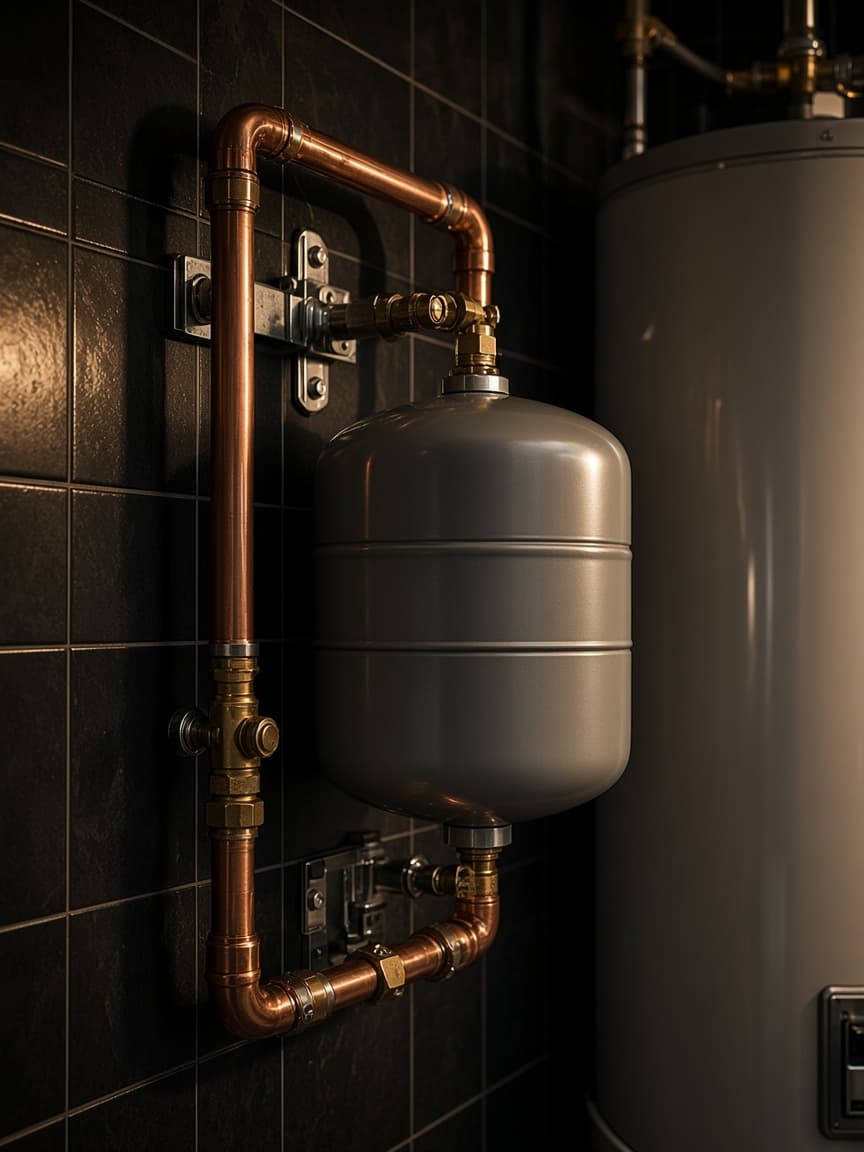
In Arlington, replacement work often requires adherence to current Washington State building codes, including proper expansion tank installation, seismic strapping, and temperature-pressure relief (TPR) discharge line routing.
5 Clear Signs It Is Time to Replace Your Water Heater
If your unit exhibits any of these major warning signs, schedule a professional inspection or replacement right away:
The Tank Is More Than 10 Years Old
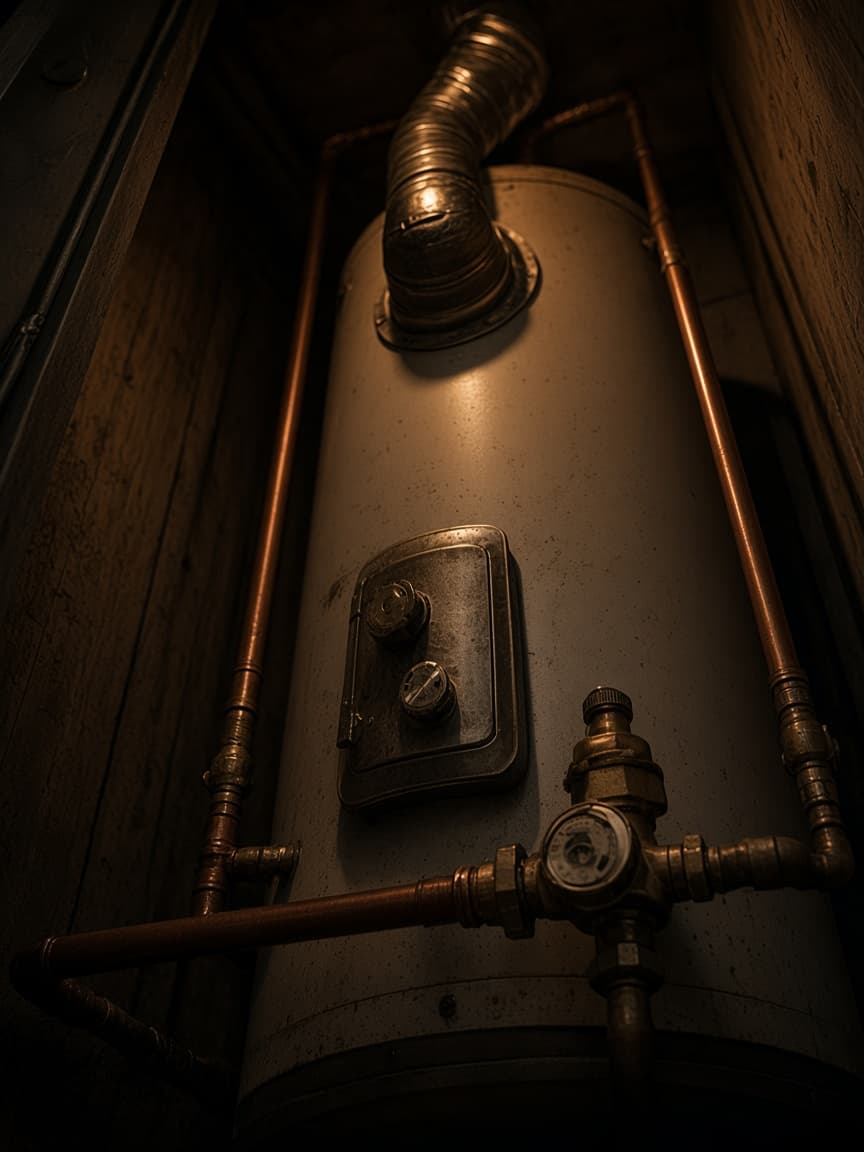
Most traditional water heaters last 8 to 12 years. As systems age, internal corrosion accelerates and efficiency drops significantly. Even if your old tank seems fine, the protective anode rod inside eventually wears out, leaving the steel vulnerable to rust. Replacing an aging unit proactively prevents sudden failures, catastrophic leaks, and unexpected flooding in your home.
Rusty or Discolored Hot Water
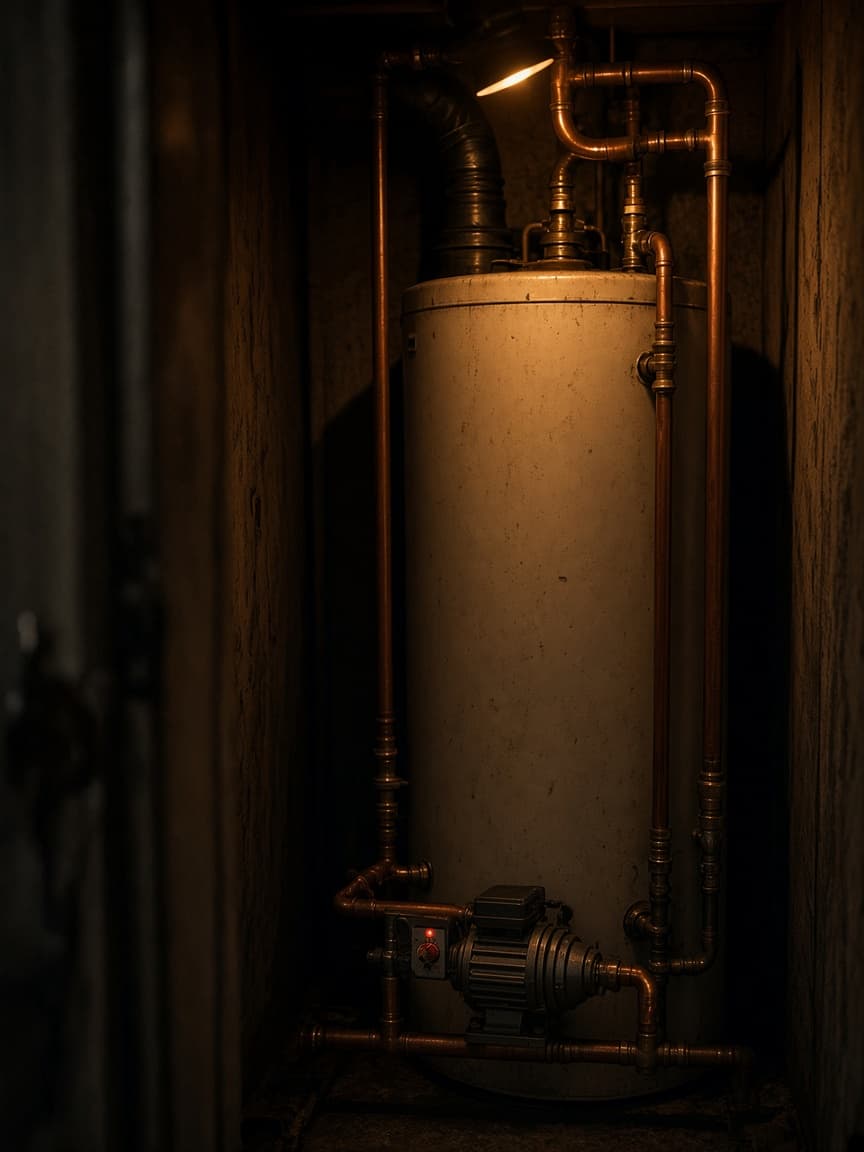
If rusty, brownish, or metallic-tasting water flows only from your hot taps, internal tank corrosion is likely underway. As the interior lining breaks down, rust particles contaminate your water supply. Once corrosion eats through the metal, tank failure is inevitable. Replacing the unit restores clean water quality and protects your household plumbing from further sediment buildup and damage.
Rumbling, Popping, or Banging Noises
Strange rumbling, popping, or banging noises indicate heavy mineral buildup at the bottom of your tank. As hard water minerals settle, they harden into a thick crust. Water trapped beneath this sediment layer boils continuously, creating loud sounds and overheating the metal. This thermal stress cracks the tank over time, making a full system replacement necessary.
Water Pooling Around the Base
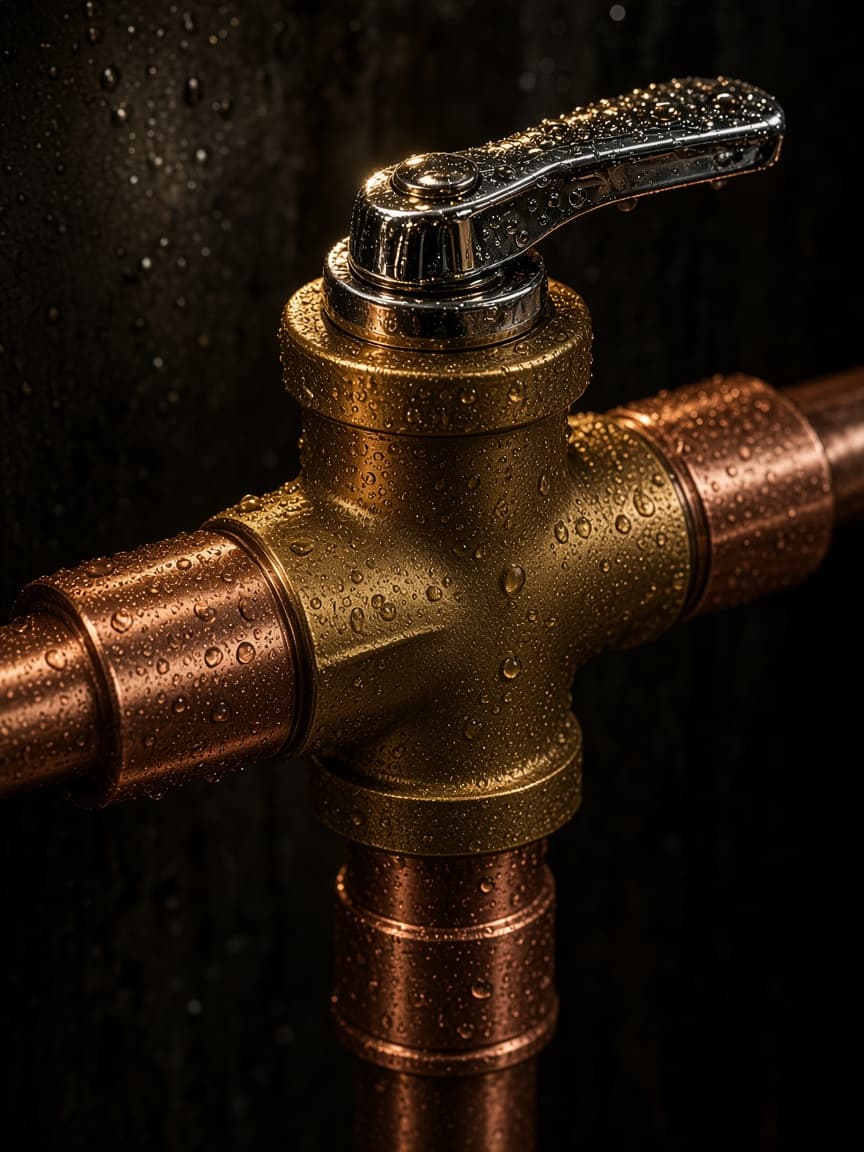
Standing water or moisture surrounding your water heater is a critical warning sign. While loose fittings or faulty valves can sometimes cause minor leaks, water pooling directly beneath the tank often points to internal fracture lines. Internal tank cracks cannot be repaired safely. Replacing the unit immediately prevents sudden structural burst damage and costly structural flooding in your home.
Hot Water Runs Out Quickly or Won't Stay Hot
When your hot water supply drains rapidly or fails to reach set temperatures, your system is struggling to perform. Broken heating elements, faulty thermostats, or heavy sediment accumulation prevent efficient heat transfer. If your household frequently endures freezing showers, repairing individual components is often cost-ineffective. Upgrading to a new unit ensures consistent, reliable hot water every day.
Repair vs. Replace: How to Decide?
When deciding whether to schedule a minor fix or purchase a replacement, follow these guidelines:
Choose Repair If
The unit is under 8 years old, the issue is an isolated external component (like a thermostat, pressure valve, or heating element), and overall energy efficiency remains acceptable.
Choose Replacement If
The unit is 10+ years old, the repair estimate exceeds 50% of the price of a new system, the tank itself is leaking, or your household outgrew the gallon capacity.
Close the case
Recognizing the early warning signs of a failing water heater prevents sudden cold showers, high energy bills, and disastrous home flooding. Proactively replacing your system guaranties long-term efficiency and peace of mind, regardless of whether it is over 10 years old, leaking, or producing loud noises. Contact a licensed local plumber in Arlington, WA, today to inspect your unit and recommend the best energy-efficient upgrade for your home.
Related files
Keep reading
 Water HeatersWhat Should Homeowners Know Before Installing a New Water Heater?October 26, 2026From replacement warning signs to tank vs. tankless, sizing, utility upgrades, and install-day prep—here’s what to know before you put in a new water heater.Read more
 Water HeatersHow Much Does Water Heater Replacement Cost for a Home in Washington?October 25, 2026Washington homeowners typically pay $1,800–$4,500 to replace a water heater. See costs by type, labor and code drivers, and how rebates can lower your bill.Read more
 Water HeatersShould You Repair or Replace an Old Water Heater in Your Home?October 24, 2026Age, repair costs, red flags, and efficiency—use these factors to decide whether fixing your water heater or replacing it is the smarter move.Read more