
Field note · Water Heaters
How Do You Know When Your Home’s Water Heater Needs Repair or Replacement?
By Private I Plumbing · October 22, 2026
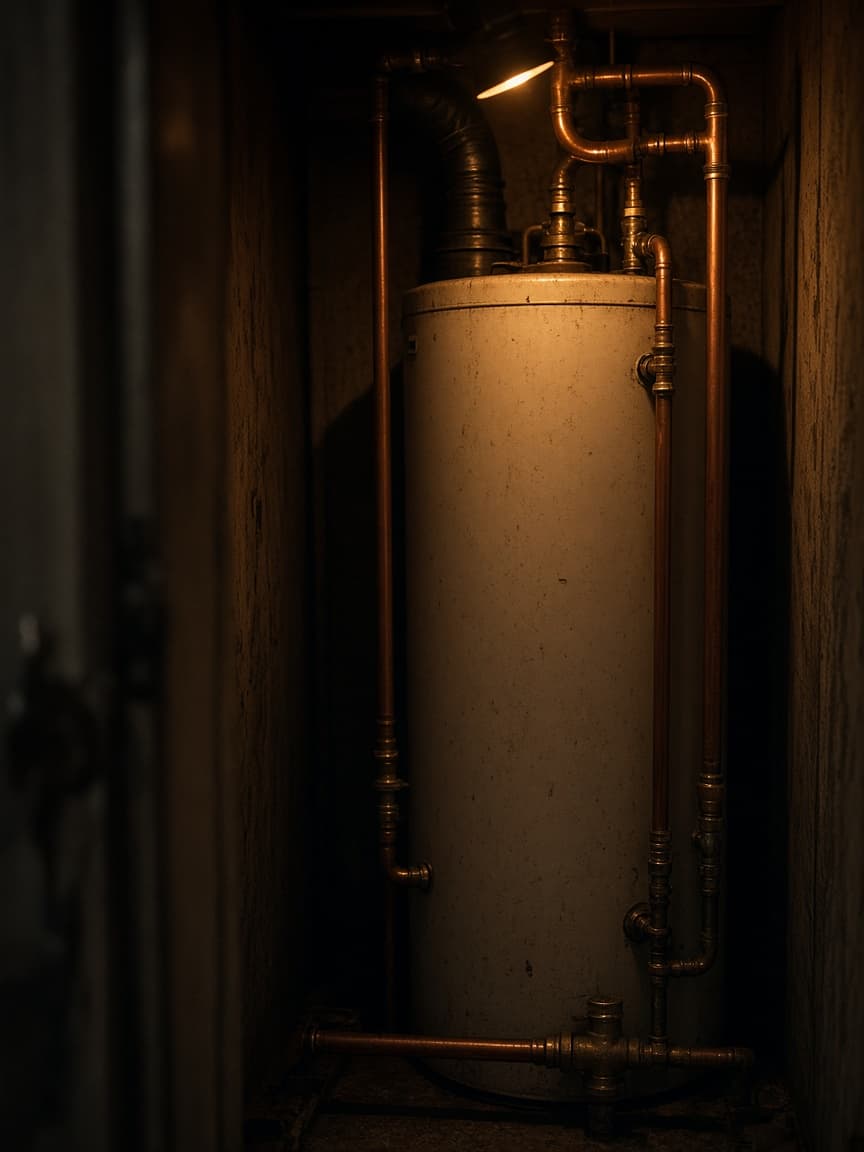
Imagine stepping into a warm, relaxing shower after a long day, only to be blasted by an icy stream of cold water. A failing water heater is one of the most frustrating home maintenance issues you can face. But water heaters rarely quit without warning—they usually send clear signals that something is wrong. Knowing how to read these warning signs can help you address issues before you're left with a cold shower or a flooded basement. Here is how to tell whether your home’s water heater needs a quick repair or a complete replacement.
Key Signs Your Water Heater Needs Repair
If your system is relatively young (under 8 to 10 years old) and experiencing minor glitches, a targeted repair by a licensed plumber can often restore performance without breaking the budget.
Fluctuating Water Temperature
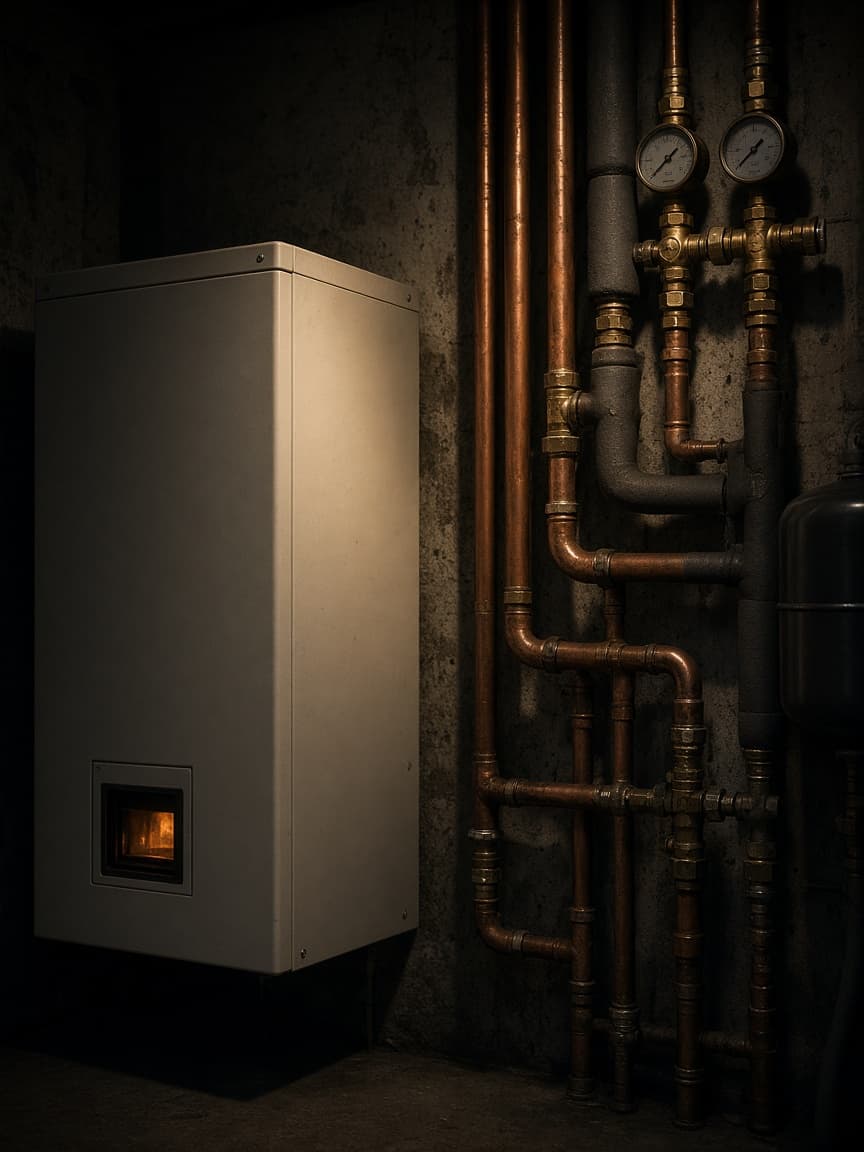
Showering should never feel like an unpredictable game of hot and cold guessing. When your shower alternates wildly between scalding hot and freezing cold, your water heater is struggling to maintain a steady output. Temperature instability usually points to internal heating element wear, faulty sensors, or heavy mineral buildup that interferes with normal thermal distribution inside the unit.
Low Hot Water Pressure
A sudden drop in water pressure when using hot water can turn everyday routine chores into frustrating experiences. If your cold water flows at full strength but hot water comes out as a weak trickle, the problem lies inside your heating system or hot water lines, restricting proper water volume from delivering efficient flow to your faucets.
Minor Leaks Around Valves or Connections
Finding small puddles beneath your water heater does not automatically mean you need a total replacement. Leaks frequently originate around external connection points, temperature-pressure relief valves, or drain spigots. Addressing these minor leaks quickly prevents moisture accumulation, stops rust formation, and protects surrounding flooring, walls, and subflooring from developing expensive long-term structural water damage.
Popping or Rumbling Noises
Loud knocking, popping, or rumbling sounds coming from your water heater tank can sound alarming. These unsettling noises signal that your water heater is working much harder than necessary to heat water. Ignoring these sounds can decrease energy efficiency, strain internal tank components, and eventually lead to unexpected structural stress or early mechanical failure across the system.
Replacement flags
Unmistakable Signs You Need a Replacement
While minor issues can be repaired, certain major red flags indicate that your water heater is near the end of its lifespan and poses a safety or flood risk.
Is it time to replace your unit?
- 01Age: 10–12+ years old
- 02Rust-colored or foul-smelling hot water
- 03Visible leaks or cracks in the main tank
- 04Repair costs exceed 50% of a new unit
The Unit is Over 10 Years Old
Traditional tank water heaters typically have a lifespan of 8 to 12 years, while tankless models can last 15 to 20 years. If your unit is approaching or past its decade mark and requiring frequent maintenance, replacing it with an energy-efficient modern unit is the smarter financial move.
Rusty or Discolored Hot Water
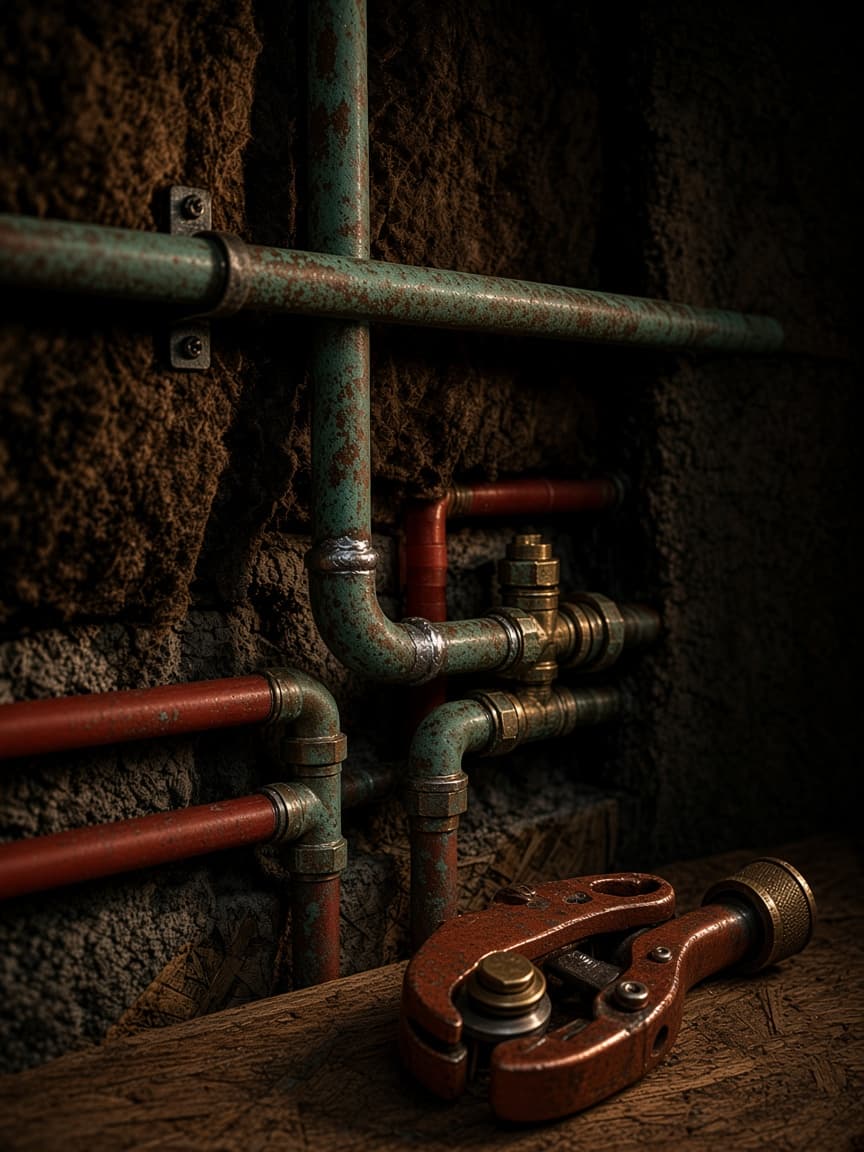
If rusty, brownish water comes out of your faucets—but only when running hot water—it usually means the interior walls of your steel tank are corroding from the inside out. Once internal tank corrosion sets in, a total leak is imminent.
Water Leaking from the Main Tank Body
If water is pooling around the base of the heater and the leak is coming directly from the tank shell, the internal liner has cracked. Tank fractures cannot be patched or welded; a leaking tank requires immediate replacement to prevent catastrophic water damage.
Frequent and Expensive Repairs
Are you calling the plumber multiple times a year? Applying constant "band-aids" to an old, failing unit quickly becomes a money pit. A reliable rule of thumb: If a repair costs more than 50% of the cost of a new water heater, replace it.
Repair vs. Replacement: Quick Comparison Guide
| Diagnostic Factor | Repair It | Replace It |
|---|---|---|
| System Age | Under 8–10 years | 10+ years old |
| Water Quality | Clear water | Rusty or metallic-smelling water |
| Leak Location | Valves, fittings, or supply lines | The main water storage tank body |
| Performance | Inconsistent heat or minor pressure loss | Continuous cold water or complete heating failure |
| Energy Bills | Normal/steady | Unexplained spike in monthly utility costs |
Protect the file
Protect Your Investment with Annual Maintenance
Maintaining your water heater regularly is the smartest way to extend its lifespan, maximize energy efficiency, and prevent unexpected breakdowns. Proactive care catches minor wear before it turns into costly emergency repairs or premature unit failure. By committing to professional inspections and routine upkeep every single year, you safeguard your household hot water supply and protect your home investment.
Flush the Tank Annually
Sediment and mineral deposits naturally settle at the bottom of your water heater over time, creating a barrier between the burner and the water. Flushing the tank once a year removes this debris completely. This simple maintenance task restores heating efficiency, lowers your monthly energy bills, and prevents damaging overheating inside the storage tank shell.
Inspect the Anode Rod
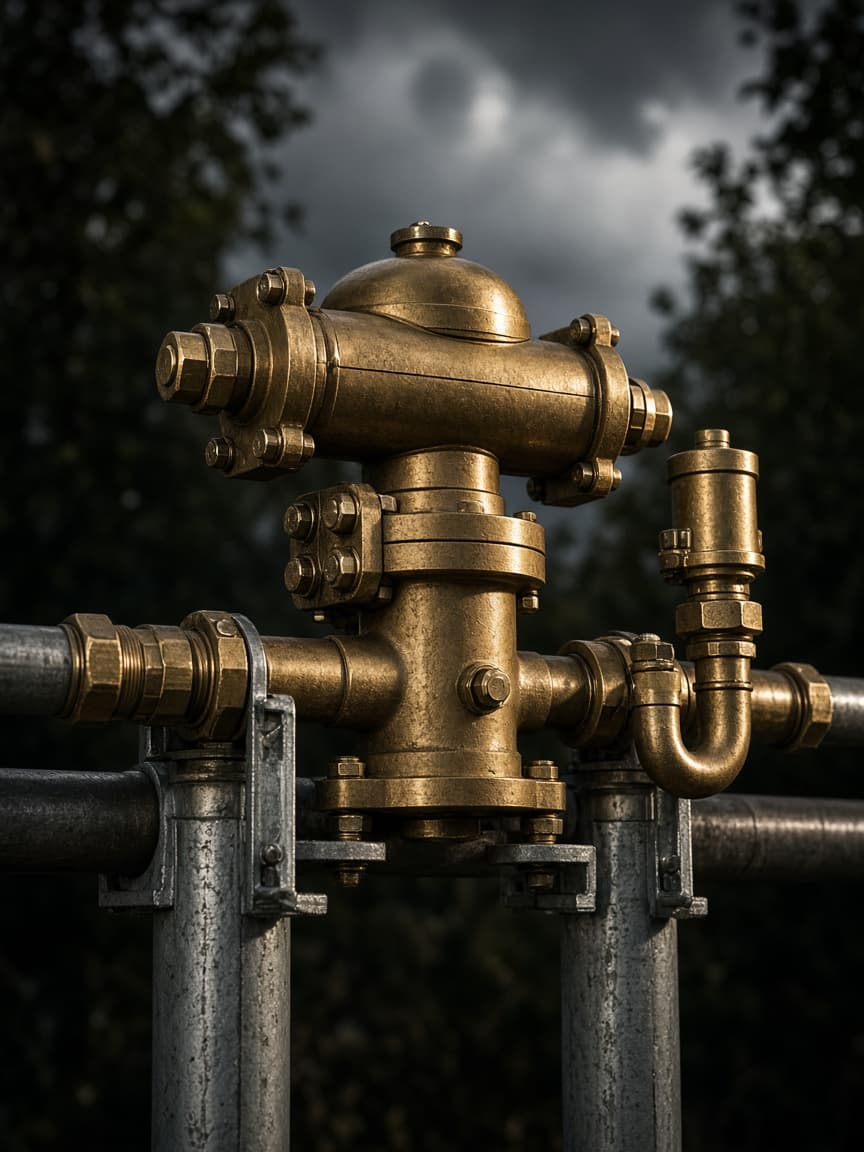
Often called the "sacrificial rod," this critical component attracts corrosive minerals in the water so your steel tank does not rust. Inspecting or replacing your anode rod every few years prevents internal tank decay. If the rod is completely corroded away, your tank walls are left totally vulnerable to rust, leaks, and catastrophic structural failure.
Check the TPR Valve
The temperature-pressure relief valve is your water heater's most important safety device, designed to release excess internal pressure. Testing this valve regularly ensures it opens and closes properly. If a TPR valve is stuck or fails, dangerous pressure can build up inside the sealed tank, creating a severe risk of explosion or major water damage.
If you need help evaluating symptoms or planning service, our team can investigate and recommend water heater repair or replacement based on the condition of your system.
Close the case
Don't Wait for a Flood—Call a Professional Today! Ignoring small warning signs can quickly lead to unexpected breakdown costs, high energy bills, or serious flood damage in your home. If your water heater is showing signs of age, rust, or tank leakage, consult a licensed plumbing specialist to evaluate your system and discuss modern, high-efficiency options.
Related files
Keep reading
 Water HeatersWhen Should Arlington, WA Homeowners Replace Their Residential Water Heaters?October 28, 2026Lifespans, Arlington-specific wear factors, warning signs, and a clear repair-vs-replace guide for Snohomish County homeowners.Read more
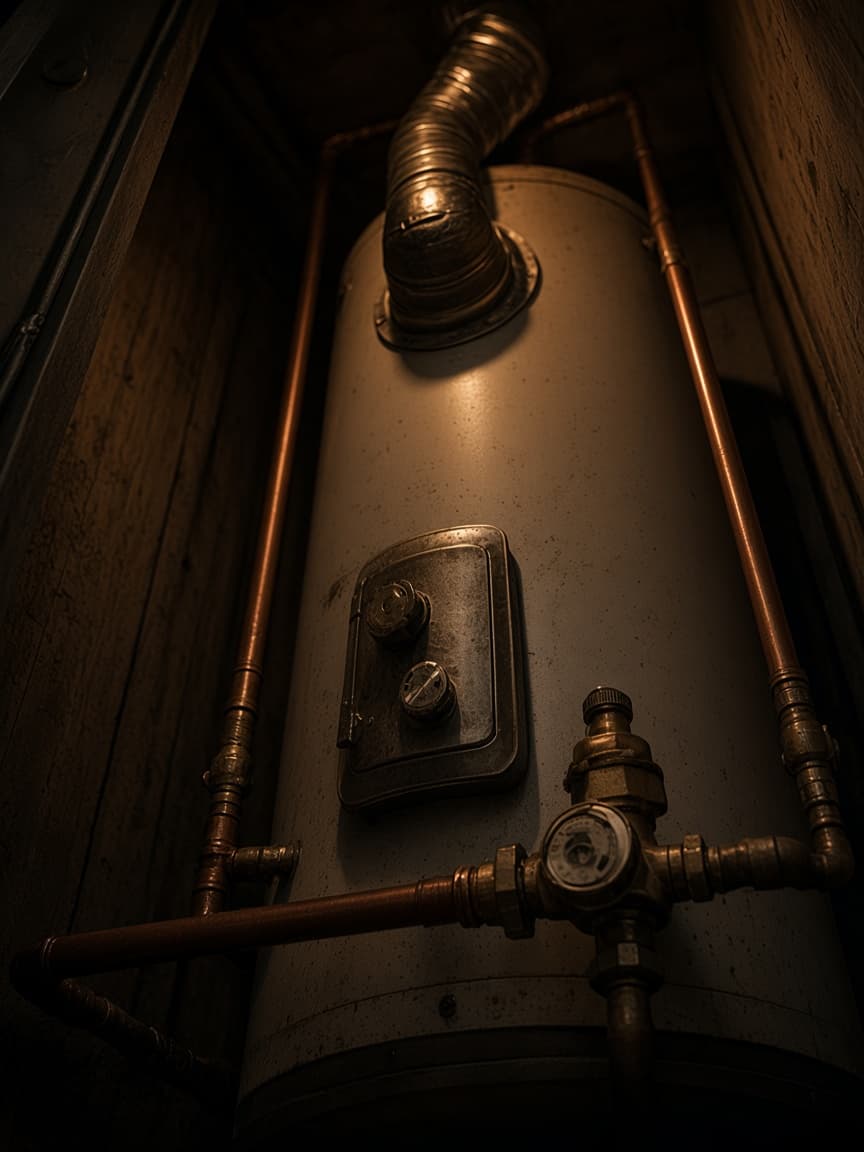 Water HeatersWhat Should Homeowners Know Before Installing a New Water Heater?October 26, 2026From replacement warning signs to tank vs. tankless, sizing, utility upgrades, and install-day prep—here’s what to know before you put in a new water heater.Read more
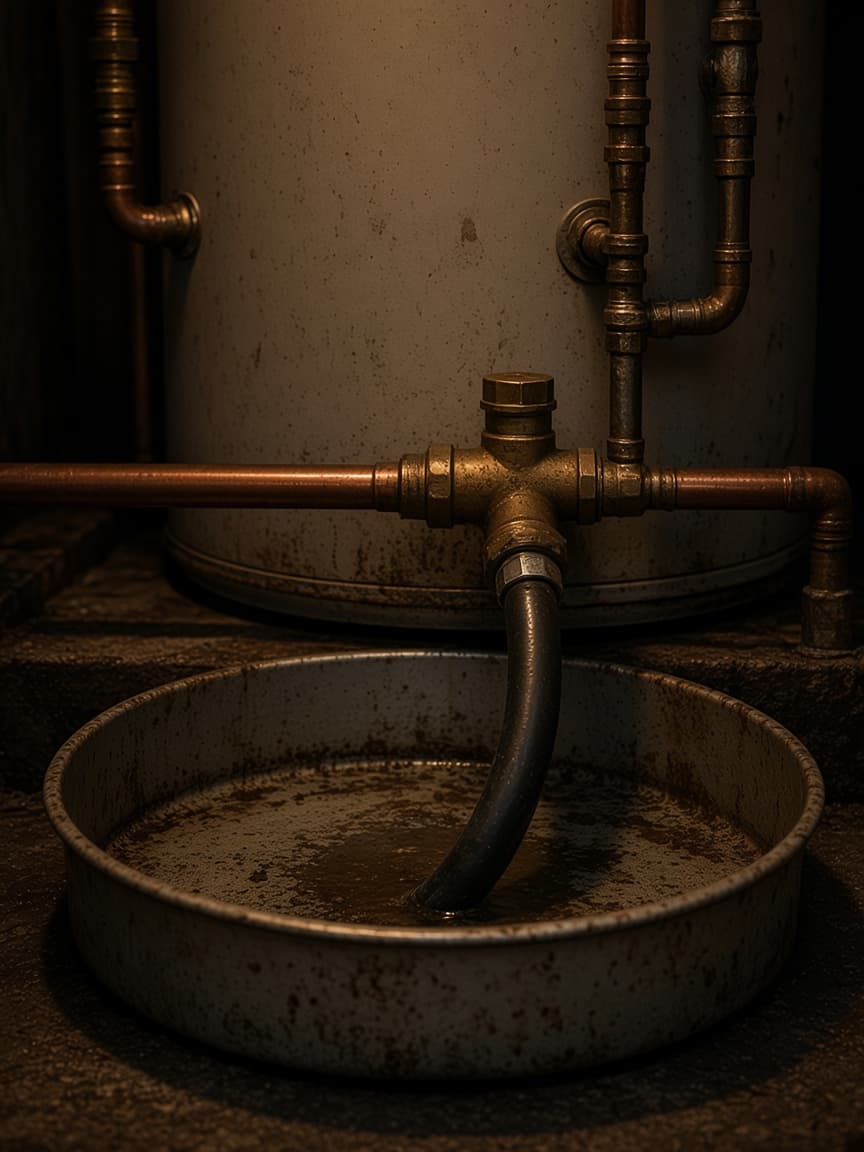 Water HeatersHow Much Does Water Heater Replacement Cost for a Home in Washington?October 25, 2026Washington homeowners typically pay $1,800–$4,500 to replace a water heater. See costs by type, labor and code drivers, and how rebates can lower your bill.Read more