
Field note · Water Heaters
How Much Does Water Heater Replacement Cost for a Home in Washington?
By Private I Plumbing · October 25, 2026
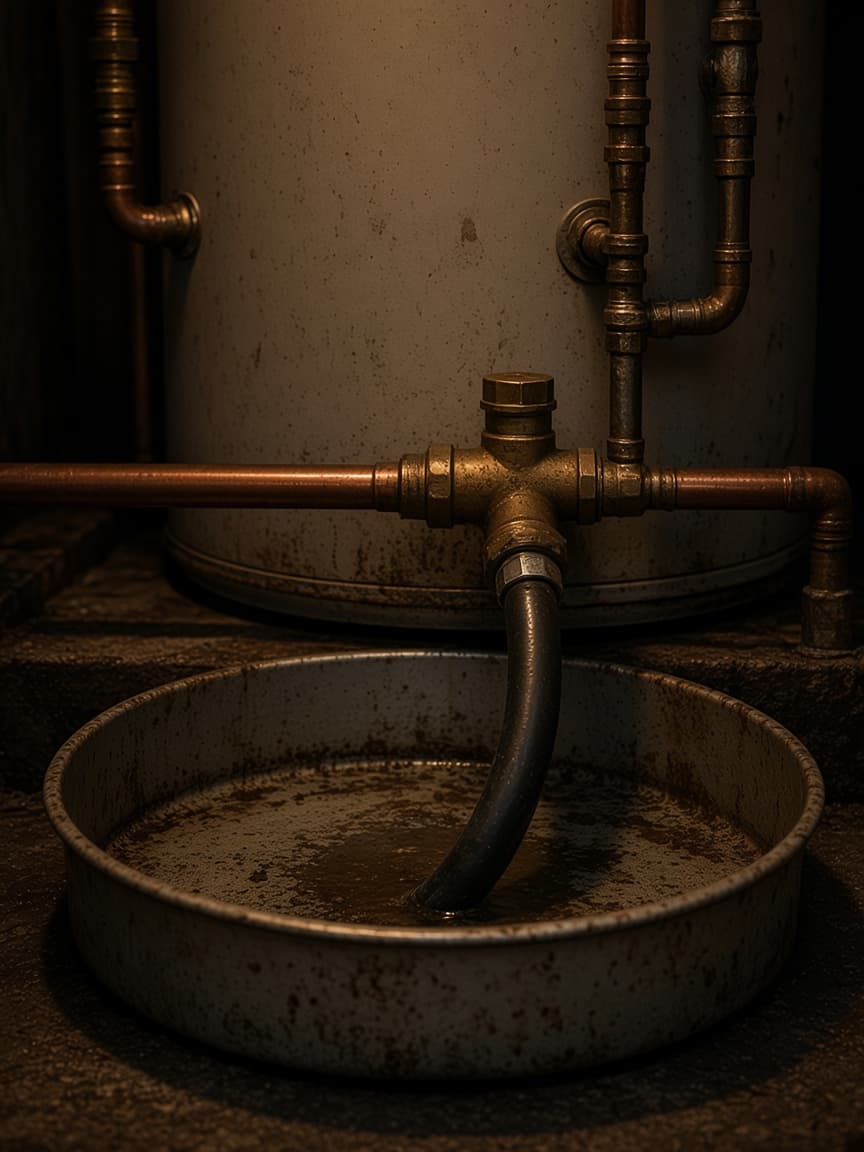
Waking up to an icy shower in the middle of a Pacific Northwest winter is a fast way to ruin your morning. When your unit starts leaking, making clanking sounds, or simply fails to produce hot water, replacement is usually the safest and most cost-effective long-term solution. For homeowners in Washington State, the average cost to replace a water heater ranges from $1,800 to $4,500 including professional labor and materials. A basic swap of a standard tank unit can cost as little as $1,200 to $2,500, while complex conversions or high-efficiency tankless installations often reach $2,500 to $5,500+. This blog breaks down everything that influences water heater replacement costs in Washington so you can budget accurately for your home.
Average Water Heater Replacement Cost by Type
The type of water heater you select is the largest single factor in your total project quote.
| Water Heater Type | Equipment Cost | Estimated Total Cost (With Labor) | Best Suited For |
|---|---|---|---|
| Standard Electric Tank (40–50 Gal) | $600 – $1,200 | $1,100 – $2,200 | Budget-conscious upgrades, smaller households |
| Standard Gas Tank (40–50 Gal) | $800 – $1,400 | $1,400 – $2,600 | Moderate to high hot water demand, standard setups |
| Tankless (Gas) | $1,200 – $2,500 | $2,400 – $5,300 | Endless hot water, space saving, high efficiency |
| Tankless (Electric) | $800 – $1,800 | $1,600 – $3,600 | Compact spaces, lower initial outlay than gas tankless |
| Hybrid Heat Pump Water Heater | $1,200 – $2,500 | $2,500 – $4,500 | Maximum long-term energy savings, garage/basement spaces |
4 Main Factors Driving Costs in Washington
Replacing a water heater involves more than just equipment costs. In Washington, overall pricing depends on unit size and efficiency, local hourly labor rates, and mandatory permit fees. Additional structural expenses arise from required code updates—such as seismic strapping—and complexity during fuel conversions or difficult equipment disposal.
Local Labor Rates & Code Requirements
Plumbing labor rates across Washington—especially in urban areas like Seattle, Tacoma, and Spokane—typically run between $90 and $200 per hour. Local building codes also dictate safety standards that directly impact overall installation costs. Homeowners must budget for mandatory city permits ($50–$200), thermal expansion tanks, and required seismic strapping to protect equipment during earthquakes. Complex electrical updates or gas line routing will further increase total labor expenses.
Unit Size and Capacity
Larger households require larger water volume output:
| Tank Size | Household Fit | Total Installed |
|---|---|---|
| 30–40 Gallons | 1–3 people | $800 – $2,300 |
| 50 Gallons | 3–5 people | $800 – $2,500 |
| 75–80 Gallons | 5+ people / high demand | $1,300 – $4,000+ |
Fuel Source Conversions
Switching fuel sources—such as converting from an electric tank to gas, or moving to a tankless unit—significantly increases replacement costs. Electric-to-gas conversions require new supply lines and specialized exterior venting. Similarly, transitioning to tankless technology requires re-routing water lines and upgrading gas or electrical supply capacity. While these system modifications add $1,500 to $2,500+ in initial labor and structural prep, they often yield higher long-term efficiency.
Accessibility & Old Unit Disposal
Where your water heater is installed heavily influences final labor charges. Units tucked inside tight crawlspaces, attics, or narrow utility closets take longer to maneuver, increasing total billed hours. Furthermore, safely disconnecting, draining, and hauling away an old, waterlogged unit requires extra labor and proper recycling procedures. Most Washington plumbing contractors include a dedicated removal fee of $100 to $300 to safely haul away and dispose of old equipment.
How Washington Homeowners Can Save Money
While a replacement is a substantial investment, there are concrete ways to lower your out-of-pocket expenses:
Take Advantage of Energy Rebates
Washington utility providers—such as Puget Sound Energy, Seattle City Light, and Snohomish PUD—offer valuable cash-back incentives to promote energy conservation. Replacing an outdated electric unit with an ENERGY STAR® certified hybrid heat pump water heater can qualify you for direct rebates ranging from $500 to over $1,000. These program discounts substantially offset initial equipment and installation expenses.
Federal Tax Credits
Homeowners upgrading to high-efficiency systems can also leverage federal incentives to lower overall replacement costs. Under federal guidelines, installing a qualified hybrid heat pump water heater allows you to claim a tax credit covering up to 30% of total project costs. This credit—capped at $2,000—delivers significant long-term savings on top of local utility rebates.
Schedule Before Total Failure
Waiting for a water heater to completely burst often leads to costly property damage and emergency plumbing surcharges. If your unit is over 8 to 10 years old, replacing it proactively lets you shop around, compare quotes, and apply for local rebates without rush fees. Planned installation keeps your project on budget while preventing unexpected winter flooding in your home.
Close the case
Replacing a water heater in Washington is a major investment, with total costs ranging from $1,800 to $4,500 depending on unit type, local labor, and municipal code requirements. Planning ahead allows you to evaluate fuel options, secure required permits, and choose high-efficiency models. By capitalizing on local utility rebates and available federal tax credits, Washington homeowners can significantly reduce upfront expenses while enjoying lower monthly energy bills.
Related files
Keep reading
 Water HeatersWhen Should Arlington, WA Homeowners Replace Their Residential Water Heaters?October 28, 2026Lifespans, Arlington-specific wear factors, warning signs, and a clear repair-vs-replace guide for Snohomish County homeowners.Read more
 Water HeatersWhat Should Homeowners Know Before Installing a New Water Heater?October 26, 2026From replacement warning signs to tank vs. tankless, sizing, utility upgrades, and install-day prep—here’s what to know before you put in a new water heater.Read more
 Water HeatersShould You Repair or Replace an Old Water Heater in Your Home?October 24, 2026Age, repair costs, red flags, and efficiency—use these factors to decide whether fixing your water heater or replacing it is the smarter move.Read more