
Field note · Water Heaters
Should You Repair or Replace an Old Water Heater in Your Home?
By Private I Plumbing · October 24, 2026
Dealing with an aging water heater can be stressful. One morning you’re enjoying a hot shower, and the next you’re standing in lukewarm water wondering if your system is on its last legs. When your water heater acts up, you face a common homeowner dilemma: Should you repair or replace your old water heater? Making the wrong choice can lead to wasted money on frequent repairs or buying a brand-new unit prematurely. To help you make a confident, cost-effective decision, we’ve broken down the key factors to evaluate, including age, costs, red flags, and energy efficiency.
How Old Is Your Water Heater?
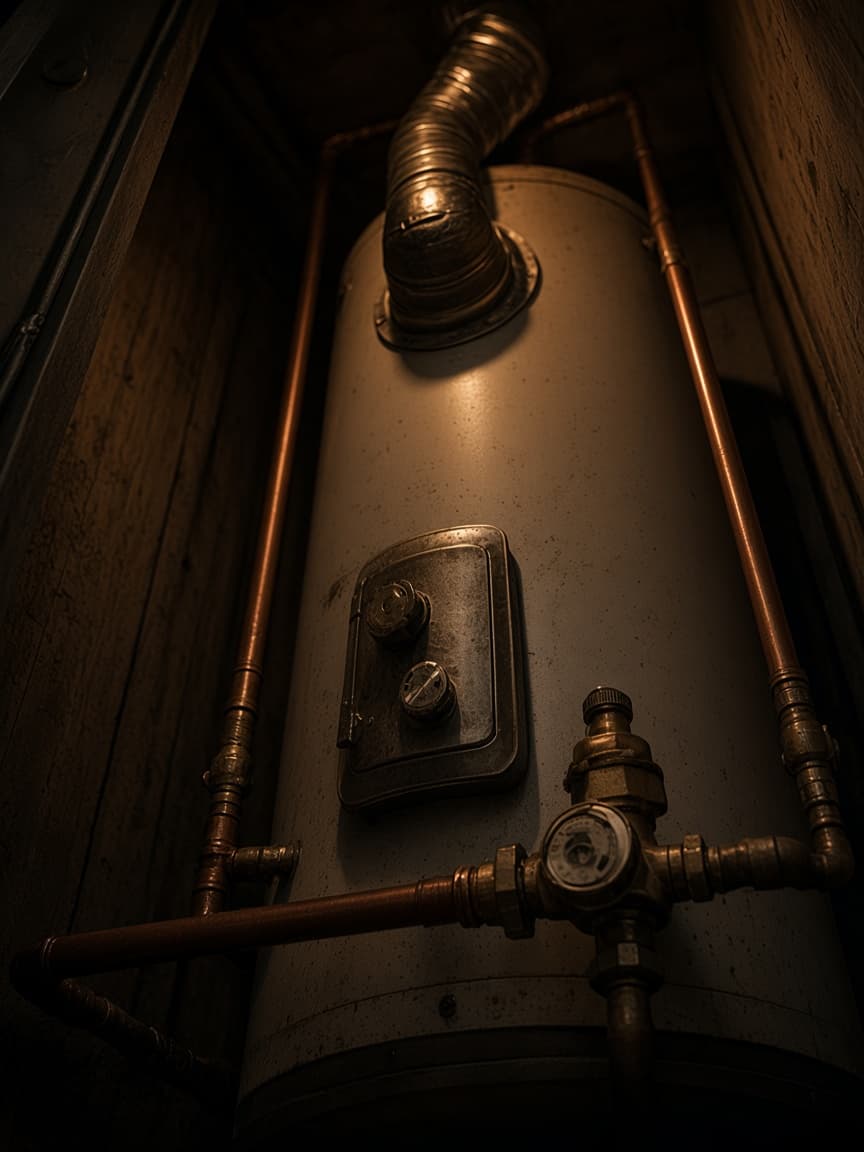
Determining your unit’s age is the critical first step in deciding whether to fix or replace it. Most traditional models last between 8 and 12 years. If your unit is approaching or past the decade mark, frequent repairs become an unnecessary expense. Locate the manufacturer’s serial number on the rating plate to check its manufacture date, helping you accurately gauge remaining lifespan before a major breakdown occurs.
Traditional Tank Water Heaters
Conventional storage tank water heaters continuously heat and store water in an insulated tank, ensuring hot water is readily available when needed. While they offer lower initial purchase and installation costs compared to tankless units, they consume more energy over time. These units typically last 8 to 12 years and require regular maintenance to prevent rust, leaks, and sediment buildup.
Tankless Water Heaters
Tankless water heaters provide hot water on demand by heating water only when a faucet is turned on. Because they eliminate standby energy loss, these compact units significantly reduce monthly utility bills while taking up minimal wall space. They feature an impressive lifespan of up to 20 years, making them a long-term, energy-efficient upgrade despite higher upfront installation costs.
Rule of Thumb
If your traditional tank water heater is under 8 years old, repair is usually the smartest financial move. If it is 10 years or older, replacement is often the better investment—even for minor issues—because the unit is nearing the end of its designed lifespan.
Evaluate the "50% Rule" for Repair vs. Replacement Costs
When weighing the repair bill against a brand-new unit, apply the 50% Rule: Get a reliable estimate for the repair cost. Compare that estimate to the total cost of purchasing and installing a new water heater. If the repair costs 50% or more of the price of a new unit—or if the unit is older than 8 years—replace it.
Top Signs It’s Time to Replace Your Water Heater
Certain warning signs indicate that a repair is only a temporary bandage on a systemic failure:
Rusty or Discolored Water
If your hot water runs brown, reddish, or metallic, it usually signals internal tank rust. While discolored water from a single tap indicates corroded plumbing pipes, rusty water straight from the hot tap means your tank is deteriorating from within. Once corrosion breaches the steel lining, a full unit replacement is necessary to prevent a messy flood.
Leaking Around the Tank Base
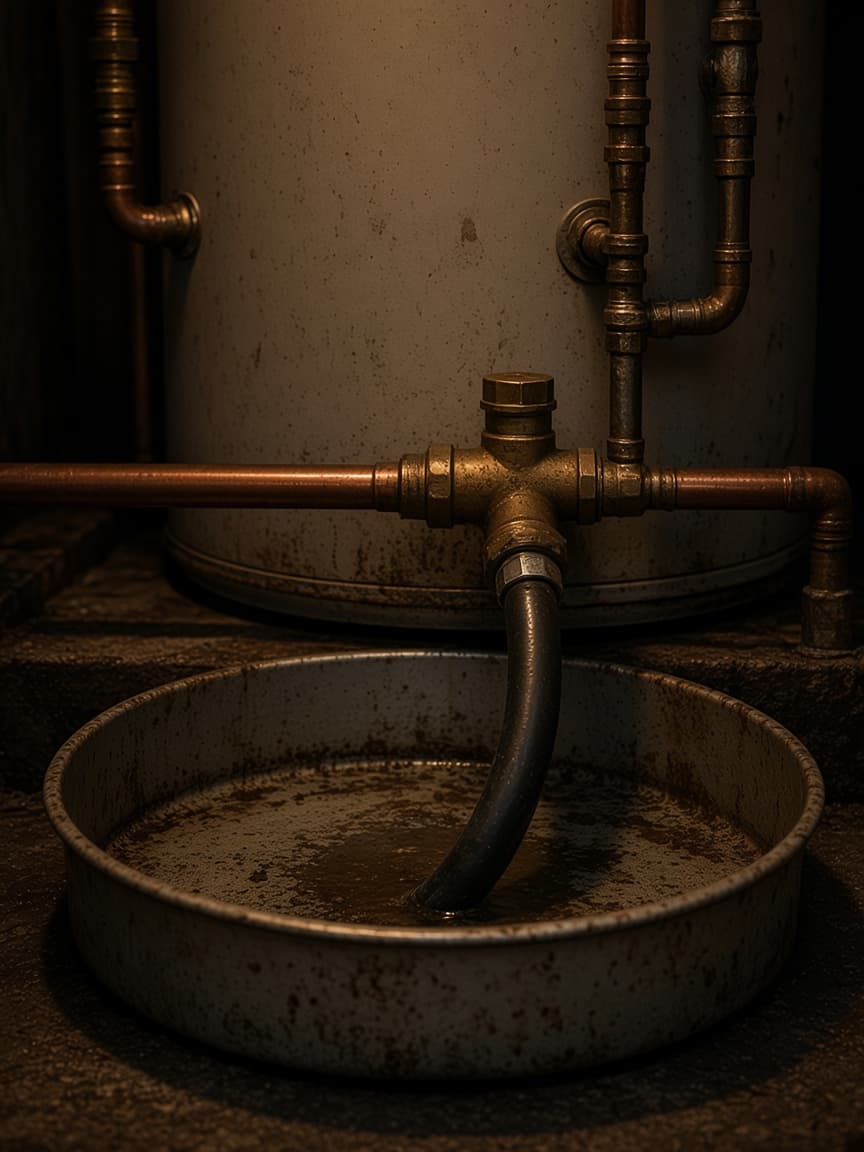
Finding moisture or puddles around the base of your water heater is a serious warning sign. Minor leaks can stem from loose fittings or a faulty pressure relief valve, which are easily repaired. However, if water leaks directly from the tank wall due to internal fracturing or structural aging, the unit cannot be saved and requires an immediate replacement.
Rumbling or Grinding Noises
Over time, hard water minerals settle at the bottom of your storage tank and harden when heated. As the burner heats the tank floor, trapped water beneath this sediment layer boils and creates loud rumbling, popping, or banging noises. Regular flushing can sometimes solve this, but persistent loud noises mean severe sediment damage and reduced heating efficiency.
Inconsistent Hot Water or Lukewarm Temperatures
Running out of hot water too quickly or dealing with lukewarm temperatures is deeply frustrating. This issue often points to a failing heating element, a broken thermostat, or heavy sediment insulation over the burner. While components like thermostats are easily replaceable, persistent temperature drops in aging units usually signal that it is time for a complete new installation.
Summary Checklist: Repair vs. Replace
| Scenario | Recommendation |
|---|---|
| Unit is under 8 years old & repair is inexpensive | Repair |
| Simple component failure (thermostat, heating element, valve) | Repair |
| Unit is over 10 years old and needs costly repairs | Replace |
| The main tank is leaking or rusted through | Replace |
| Energy bills are climbing due to an inefficient system | Replace |
Close the case
Deciding whether to repair or replace your water heater comes down to age, efficiency, and overall repair costs. If your unit is relatively new and experiencing a minor issue, a quick fix is usually best. However, if it is over a decade old, leaking, or requiring frequent repairs, investing in a modern, energy-efficient replacement will ultimately save you money, hassle, and potential water damage.
Related files
Keep reading
 Water HeatersWhen Should Arlington, WA Homeowners Replace Their Residential Water Heaters?October 28, 2026Lifespans, Arlington-specific wear factors, warning signs, and a clear repair-vs-replace guide for Snohomish County homeowners.Read more
 Water HeatersWhat Should Homeowners Know Before Installing a New Water Heater?October 26, 2026From replacement warning signs to tank vs. tankless, sizing, utility upgrades, and install-day prep—here’s what to know before you put in a new water heater.Read more
 Water HeatersHow Much Does Water Heater Replacement Cost for a Home in Washington?October 25, 2026Washington homeowners typically pay $1,800–$4,500 to replace a water heater. See costs by type, labor and code drivers, and how rebates can lower your bill.Read more