Field note · Tips
What Are the Warning Signs of Plumbing Pipe Failure in Arlington, WA Homes?
By Private I Plumbing · October 29, 2026
As an Arlington homeowner, you enjoy the rich beauty of the Pacific Northwest—from scenic views of the Stillaguamish River to lush green surroundings. However, the same environment and weather patterns that make Snohomish County so beautiful can also take a quiet toll on your home’s plumbing system. Plumbing pipes don’t last forever. Whether caused by aging materials, local water chemistry, or regional freeze-thaw cycles, pipe failure often starts subtly before turning into a costly emergency. Catching the early warning signs can save you thousands of dollars in water damage repairs and emergency plumbing services. Here are the top warning signs of plumbing pipe failure to look out for in your Arlington, WA home.
Discolored or Rusty Water
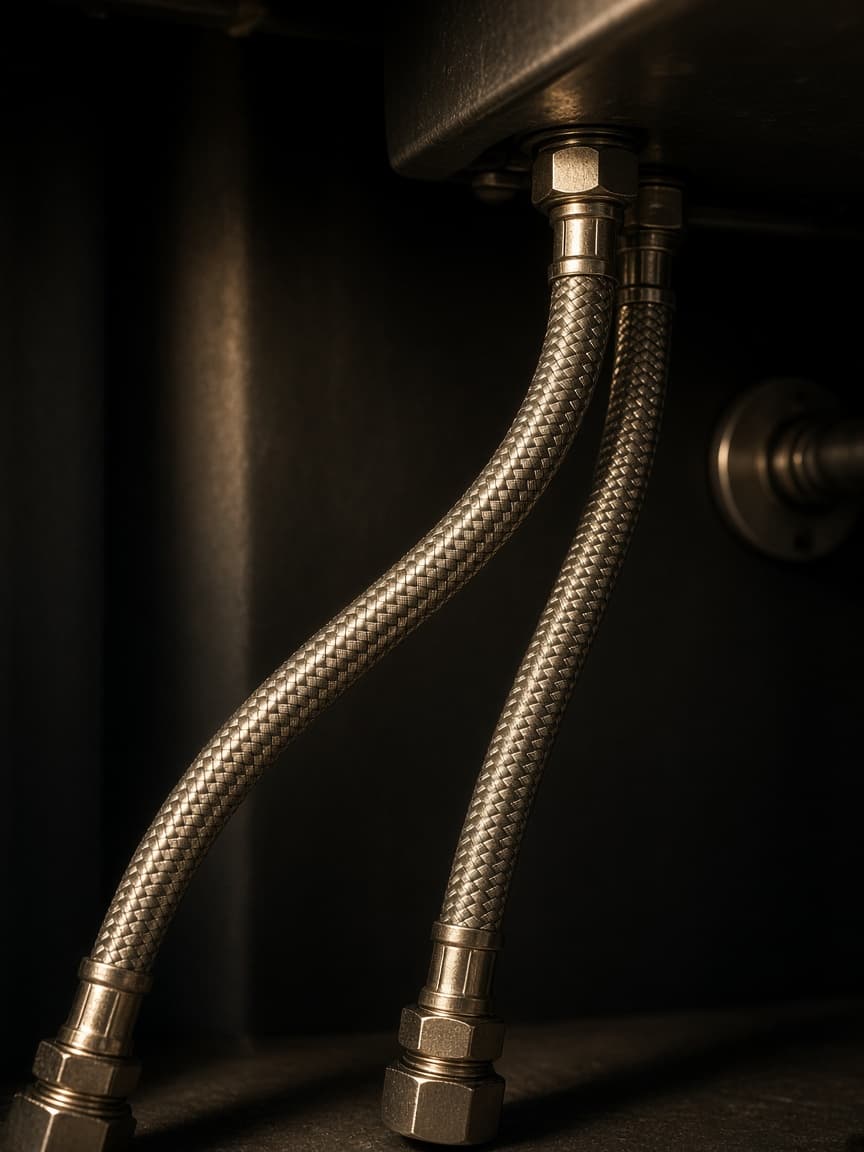
When you turn on your faucet after it hasn’t been used for a few hours, do you notice brown, yellow, or reddish water? One of the biggest indicators that your pipes are corroding from the inside out is discolored water. In older Arlington neighborhoods with original galvanized iron or steel pipes, internal rust breaks down and mixes with your tap water. If left untreated, corroded pipe walls become brittle and thin, which can result in serious leaks or complete pipe ruptures.
Unexplained Drops in Water Pressure
If taking a shower feels more like a weak trickle than a steady spray, your plumbing system is trying to tell you something. A sudden or gradual loss of water pressure across multiple fixtures typically points to two main issues:
Mineral or Corrosion Build-up
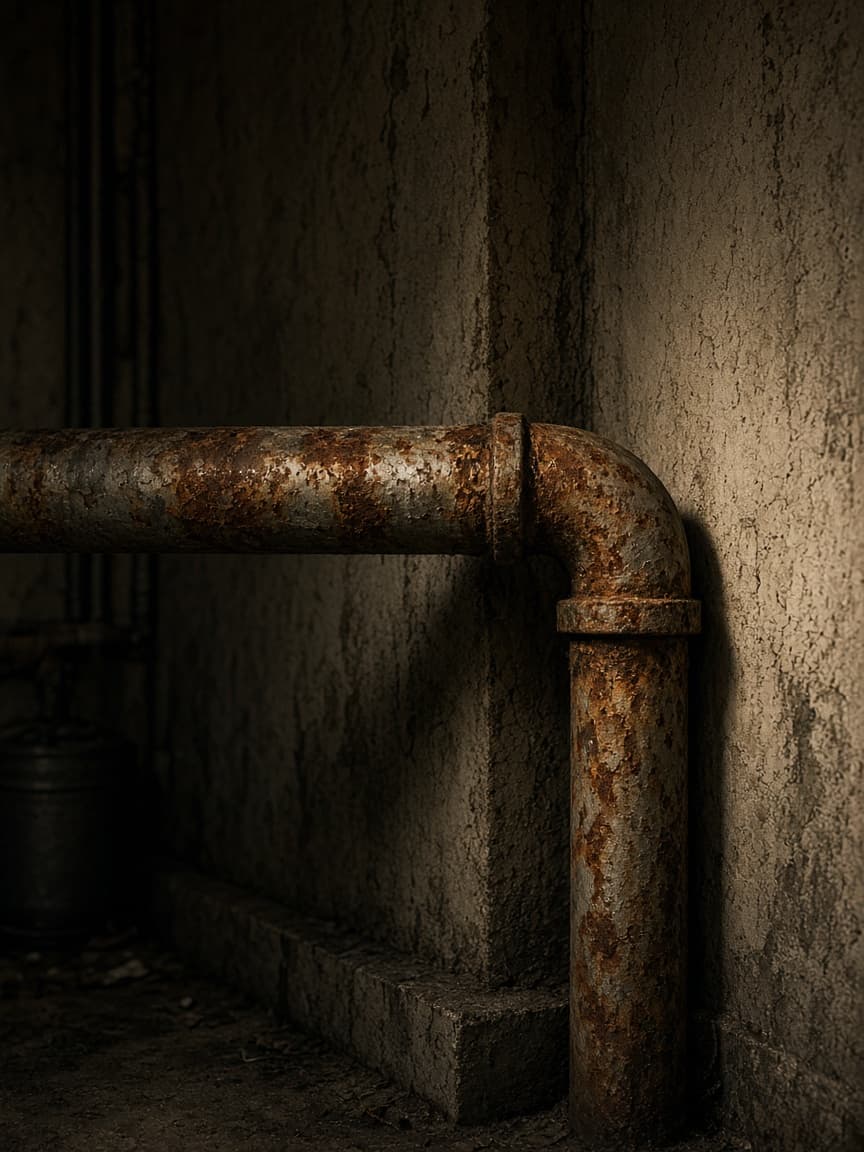
Water flow throughout your plumbing network is eventually restricted by internal pipe corrosion and mineral deposits. As hard water minerals collect or iron pipes rust internally, the pipe’s interior diameter shrinks significantly. This buildup reduces overall water pressure, strains fixtures, causes rust-tinted tap water, and ultimately leads to severe pipe blockages or complete structural collapse of aging lines.
Unusually High Water Bills
Have your utility bills spiked without an obvious increase in household water usage? A sudden increase in your monthly water bill is often the first financial warning sign of a hidden pipe leak. Even a tiny pinhole leak in a water pipe hidden behind drywalls or under a concrete slab can waste thousands of gallons of water each month. If your usage habits haven't changed but your bill keeps rising, suspect a pipe failure.
Damp Spots, Water Stains, or Bulging Drywall
Water always leaves a trace. Look for these warning signs on your floors, walls, and ceilings: dark or discolored water rings on ceilings and upper walls; soft, spongy, or warped hardwood and laminate flooring; bubbling paint or peeling wallpaper; and unexplained damp carpet patches.
Persistent Musty Odors and Mold Growth
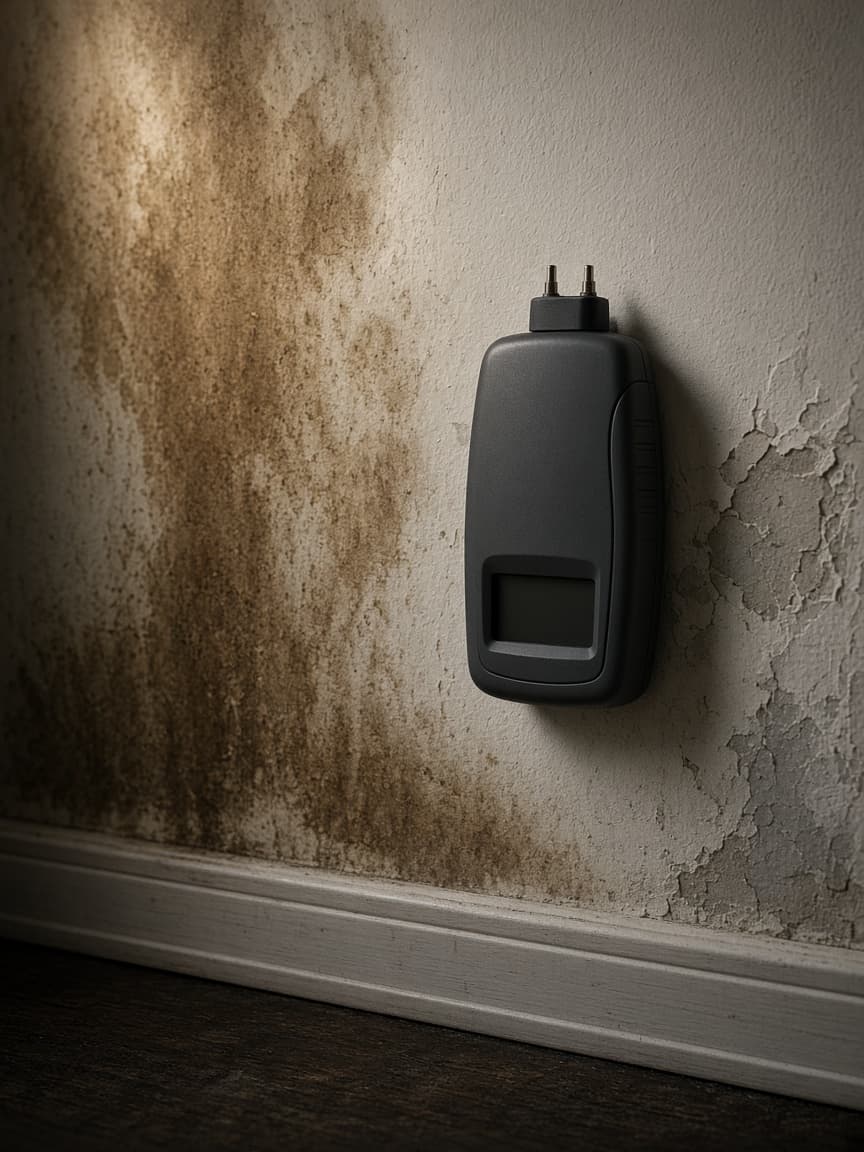
Arlington’s humid Pacific Northwest climate already creates ideal conditions for mold, but indoor mold shouldn't thrive without an active moisture source. If you detect a persistent damp, earthy, or musty smell—especially under sinks, in basements, or near baseboards—there is likely a concealed leak. Mold spores can begin colonizing damp drywall within 24 to 48 hours of water exposure, posing risks to your indoor air quality and structural integrity.
Strange Noises in the Walls
Healthy plumbing operates quietly. If your pipes begin making unusual noises when you run water or flush a toilet, pay close attention:
Banging or Clanking (Water Hammer)
Banging or clanking sounds—often referred to as water hammer—occur when flowing water suddenly stops or changes direction, sending a high-pressure shockwave through your plumbing network. This powerful hydraulic surge causes unsecured pipes to violently strike wall studs and floor joists. Over time, these continuous vibrations weaken pipe joints, loosen mounting brackets, and trigger devastating plumbing leaks.
Hissing or Whistling
A persistent hissing or whistling sound coming from your walls usually signals pressurized water or air forcing its way through a narrow opening. This distinct noise often points to a fine pinhole leak in a water supply line, a failing pressure regulator, or severe internal pipe restriction. Ignoring these audible warning signs can quickly escalate into widespread concealed water damage.
Gurgling
Gurgling noises coming from your sinks, showers, or toilets indicate trapped air escaping through your drainage system. This sound typically occurs when a severe clog, sewer line blockage, or damaged vent pipe prevents air and wastewater from flowing smoothly. As trapped air bubbles force their way back up through drain traps, it signals an impending, messy plumbing backup.
Frequent Clogs and Slow Drains
While an occasional clogged drain is normal, chronic backup across multiple drains throughout the house suggests a deeper structural issue with your main sewer or drain lines. In the Arlington area, mature tree roots often seek out tiny cracks in aging underground sewer pipes, growing inside and blocking wastewater flow. Over time, root intrusion breaks pipe sections apart completely, requiring major pipe repair or replacement.
What to Do If You Notice Warning Signs?
If you spot any of these warning signs in your home, don't wait for a major pipe failure or flooded basement to take action:
Locate Your Main Water Shut-Off Valve
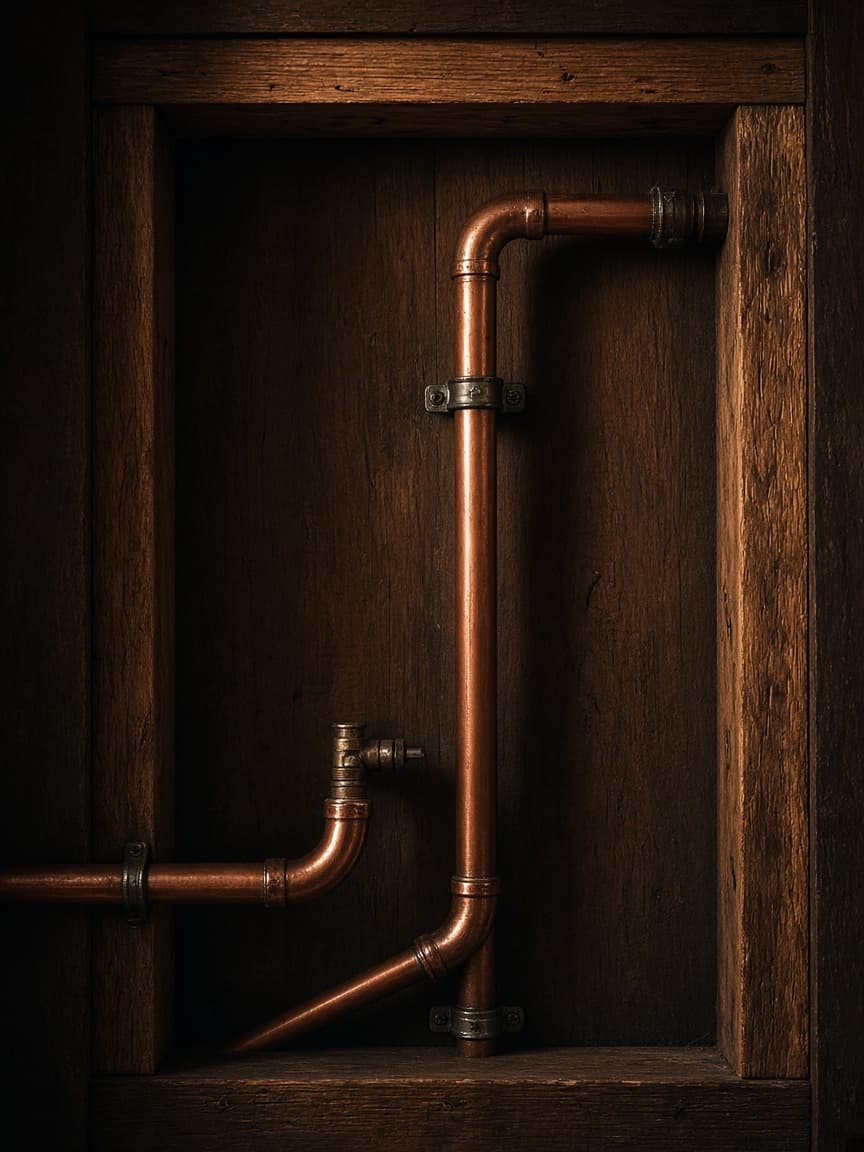
Knowing the exact location of your main water shut-off valve is your first line of defense during a plumbing emergency. Quickly closing this valve stops the flow of incoming water, instantly preventing catastrophic flooding and minimizing extensive drywall, flooring, and structural damage when a pipe bursts. Make sure every adult member of your household knows where it is located.
Avoid Chemical Drain Cleaners
While liquid drain openers seem like a quick fix, harsh chemical drain cleaners often do far more damage than good. Their aggressive chemical formulas generate intense chemical heat, which corrodes aging metal pipes, warps modern PVC lines, and weakens pipe joints. Instead of risking chemical pipe degradation, opt for mechanical drain snaking or professional hydro-jetting to safely clear stubborn blockages.
Schedule a Professional Plumbing Inspection
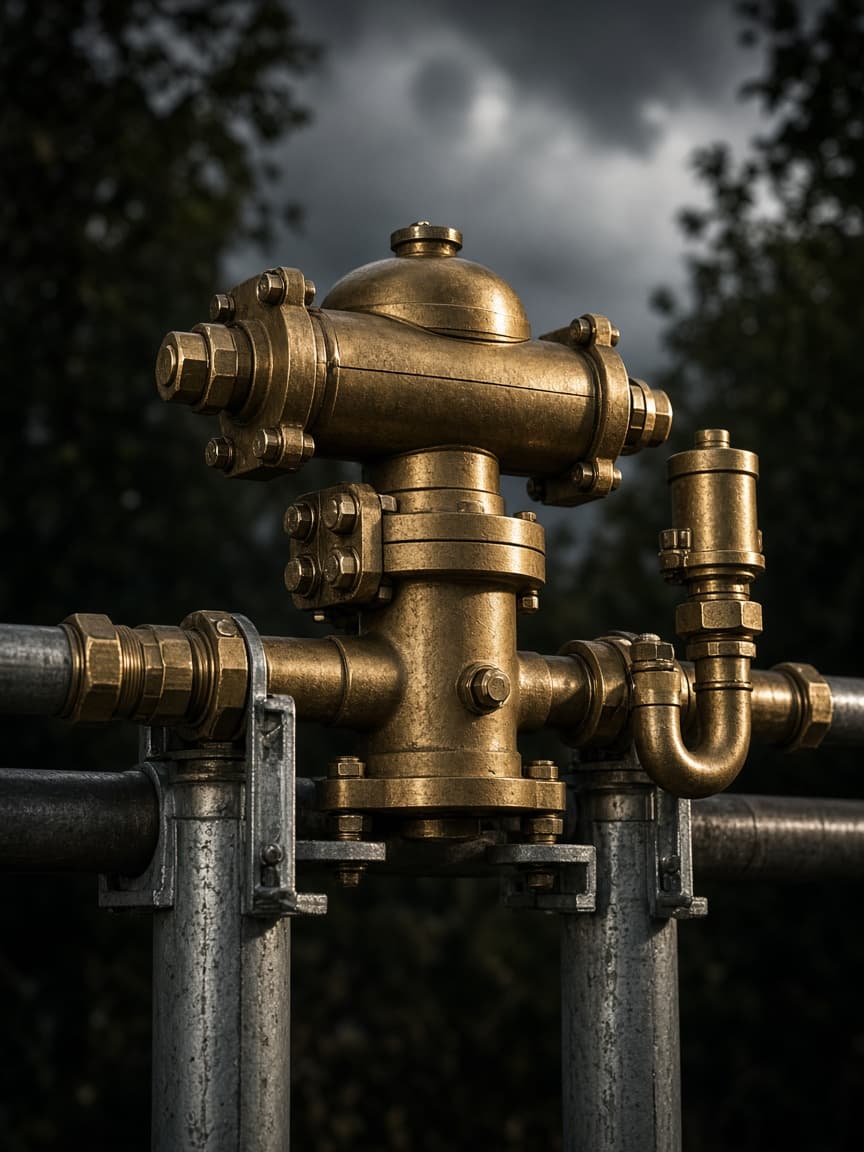
Routine professional plumbing inspections catch subtle, hidden issues before they escalate into high-cost disasters. Certified plumbers utilize advanced leak detection equipment and high-definition video sewer cameras to assess internal pipe health, identify hairline cracks, and spot early tree root intrusion. Investing in preventive professional maintenance safeguards your property value, preserves water pressure, and extends your overall plumbing longevity.
Close the case
Ignoring the subtle warning signs of failing plumbing pipes can quickly transform minor leaks into catastrophic property damage. By staying vigilant against discolored water, unexplained pressure drops, and unusual noises, Arlington homeowners can address plumbing issues early. If you suspect your home’s piping system is deteriorating, don't wait for a major emergency—contact a licensed, local plumbing specialist today to inspect, repair, or upgrade your pipes.
Related files
Keep reading
 Water HeatersWhen Should Arlington, WA Homeowners Replace Their Residential Water Heaters?October 28, 2026Lifespans, Arlington-specific wear factors, warning signs, and a clear repair-vs-replace guide for Snohomish County homeowners.Read more
 MaintenanceHow Can Regular Water Heater Maintenance Help Prevent Costly Home Repairs?October 27, 2026Routine water heater maintenance catches leaks, sediment, and pressure issues early—helping you avoid water damage, high bills, and premature replacement.Read more
 Water HeatersWhat Should Homeowners Know Before Installing a New Water Heater?October 26, 2026From replacement warning signs to tank vs. tankless, sizing, utility upgrades, and install-day prep—here’s what to know before you put in a new water heater.Read more