Field note · Maintenance
How Can Regular Water Heater Maintenance Help Prevent Costly Home Repairs?
By Private I Plumbing · October 27, 2026
One of the most crucial items in your house is a water heater. It supplies hot water for showers, laundry, dishwashing, and everyday cleaning. However, without regular maintenance, small problems can develop into expensive repairs, water damage, or premature equipment failure. Routine water heater maintenance helps homeowners identify warning signs early, improve system efficiency, and protect their property from avoidable damage. In this blog, we explain how regular water heater maintenance prevents costly home repairs, which components need attention, and when to call a professional plumber.
Prevents Water Heater Leaks and Water Damage
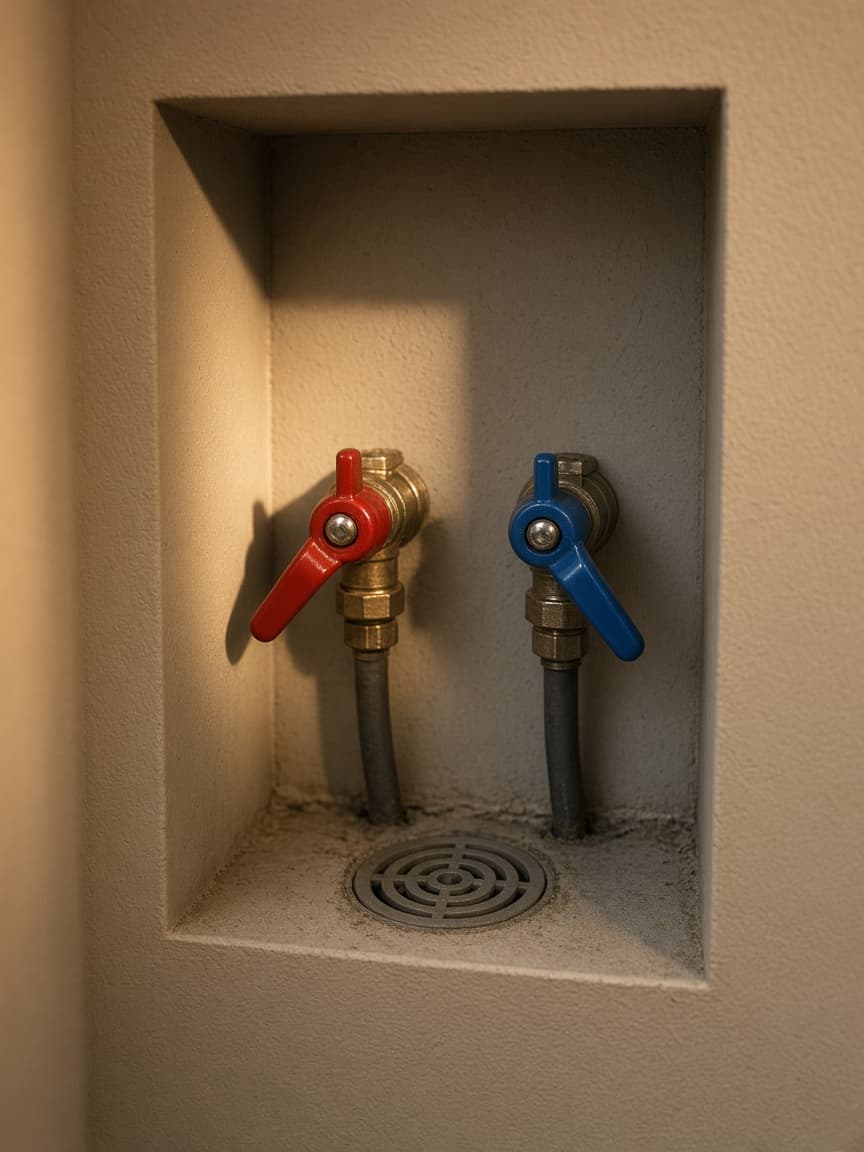
Water heater leaks can damage floors, walls, cabinets, and nearby belongings. A small leak around a pipe connection or valve may seem harmless, but it can lead to moisture buildup, mold growth, and expensive restoration work if ignored. Regular maintenance helps identify corrosion, loose fittings, damaged connections, and early signs of tank deterioration. A professional plumber can inspect the tank, pressure relief valve, drain valve, and water supply lines to identify potential problems before they become serious.
Reduces Sediment Buildup Inside the Tank
Minerals in the water supply can settle at the bottom of a storage water heater over time. This sediment buildup can interfere with heat transfer, reduce efficiency, and cause popping or rumbling noises during operation. Flushing the tank, when appropriate for the unit's condition and manufacturer instructions, helps remove accumulated sediment. A plumber can also assess whether heavy mineral deposits require additional attention. Without proper maintenance, sediment may force the heating system to work harder and increase energy consumption. In severe cases, overheating and corrosion can shorten the tank's service life.
Improves Energy Efficiency and Controls Utility Costs
In order to provide the hot water your home requires, a badly maintained water heater may use more energy than is necessary. Mineral deposits, faulty heating elements, thermostat problems, and incorrect temperature settings can all affect performance. Routine maintenance allows a professional to check the heating components, inspect the thermostat, and verify that the system operates according to manufacturer specifications. These checks can reveal efficiency problems before they contribute to higher utility bills. Homeowners should also check for damaged insulation on accessible hot-water pipes where appropriate and ensure the surrounding area remains clear according to the manufacturer's safety requirements.
Extends the Lifespan of Your Water Heater
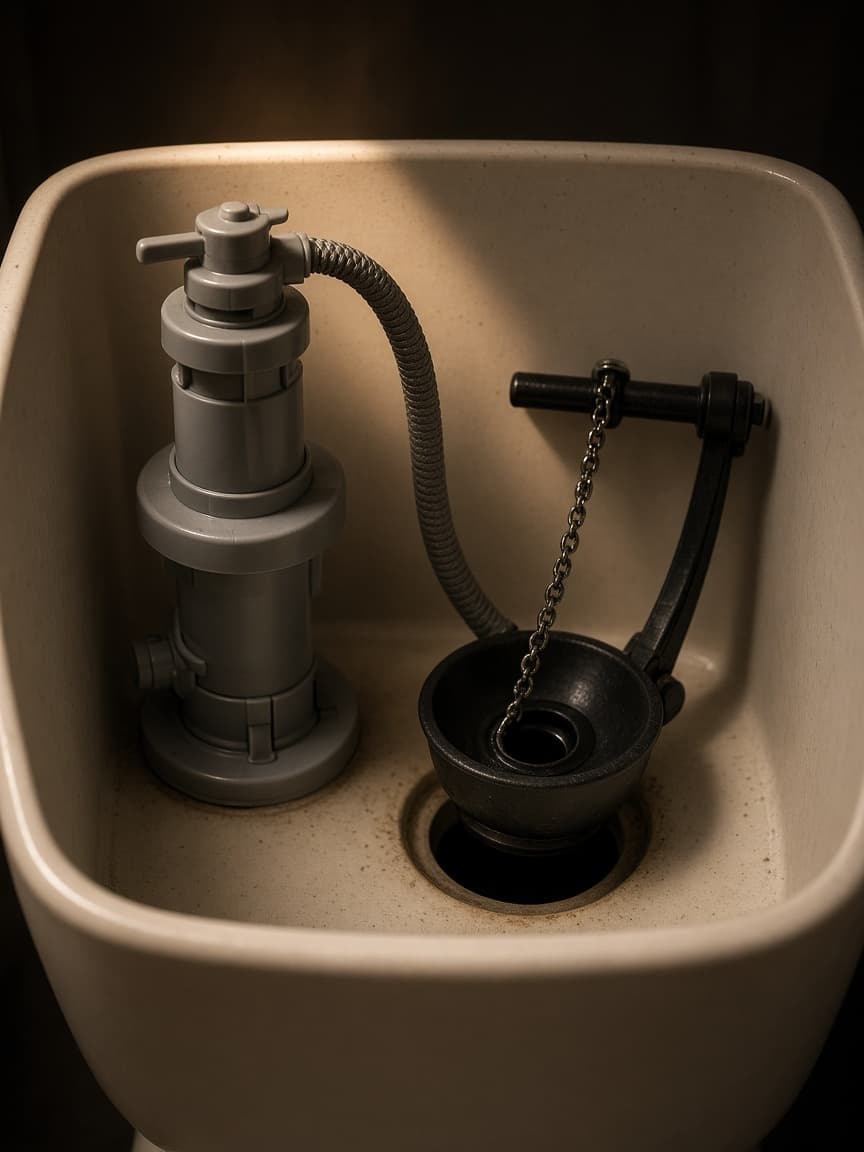
Water heaters experience regular wear as they heat and store water. Corrosion, sediment accumulation, neglected leaks, and failing components can accelerate deterioration and lead to early replacement. Frequent inspections assist in identifying issues while they are still controllable. Depending on the model and water conditions, maintenance may include checking the anode rod, examining valves and connections, removing sediment, and testing system operation. The anode rod helps protect many storage tank water heaters from internal corrosion. If it becomes heavily depleted, replacing it when appropriate may help protect the tank.

Helps Prevent Pressure-Related Damage
Excessive water pressure and problems with temperature or pressure controls can place additional stress on a water heater and connected plumbing. Damaged valves, leaking connections, and other failures may develop if these issues remain unresolved. A professional inspection can include checking the temperature and pressure relief valve, assessing water pressure, and examining the expansion tank where one is installed. These components help manage pressure-related risks under the conditions for which the system was designed. Homeowners should never cap, block, or disable a temperature and pressure relief valve. If the valve repeatedly discharges water, a plumber should investigate the cause rather than simply replacing the valve without diagnosis.
Detects Small Problems Before They Become Major Repairs
Many expensive water heater failures begin with warning signs that are easy to overlook. Water temperature changes, unusual noises, rusty-looking hot water, slow recovery, and minor leaks may indicate developing problems. Routine maintenance gives a plumber an opportunity to evaluate these symptoms and identify their likely causes. For example, inconsistent hot water may result from a faulty thermostat, a damaged heating element, sediment buildup, or a system that cannot meet household demand. Addressing the actual cause can prevent repeated service calls and unnecessary replacement of otherwise functional components.
Protects Your Home from Mold and Moisture Problems
A leaking water heater can release moisture into surrounding areas, particularly when installed in a closet, basement, utility room, or other enclosed space. Persistent dampness can damage drywall, flooring, insulation, and stored belongings. It may also create conditions that support mold growth. During maintenance, a plumber can inspect accessible connections, the tank exterior, and the surrounding area for signs of moisture or corrosion. Homeowners should also check the area periodically for unexplained damp spots or standing water. If a leak has already caused significant moisture damage, plumbing repairs alone may not be enough. The affected materials may need professional drying, cleaning, or restoration.
Helps Maintain Reliable Hot Water
Unexpected water heater failure can disrupt daily routines and create additional expenses when emergency service is needed. Regular maintenance helps identify worn components, heating problems, and other issues that could leave a household without sufficient hot water. A professional can evaluate whether the system heats water properly, inspect accessible electrical or gas connections as appropriate, and recommend repairs based on the unit's condition. The correct maintenance procedure depends on the type of water heater. Gas, electric, tankless, and heat pump models have different components and service requirements, so homeowners should follow the manufacturer's recommendations and use qualified technicians for specialized work.
Close the case
Regular water heater maintenance helps prevent leaks, reduce sediment buildup, improve energy efficiency, and extend equipment lifespan. Scheduling routine inspections can identify minor issues before they cause costly home repairs. Choose Private I Plumbing for professional water heater maintenance and repairs to protect your home and maintain reliable hot water.
Related files
Keep reading
 TipsWhat Are the Warning Signs of Plumbing Pipe Failure in Arlington, WA Homes?October 29, 2026Discolored water, pressure drops, high bills, musty odors, and pipe noises—learn the early signs of pipe failure Arlington homeowners should not ignore.Read more
 Water HeatersWhen Should Arlington, WA Homeowners Replace Their Residential Water Heaters?October 28, 2026Lifespans, Arlington-specific wear factors, warning signs, and a clear repair-vs-replace guide for Snohomish County homeowners.Read more
 Water HeatersWhat Should Homeowners Know Before Installing a New Water Heater?October 26, 2026From replacement warning signs to tank vs. tankless, sizing, utility upgrades, and install-day prep—here’s what to know before you put in a new water heater.Read more