
Field note · Water Heaters
How Can Bellevue, WA Homeowners Prevent Unexpected Water Heater Breakdowns?
By Private I Plumbing · November 4, 2026
Imagine stepping into the shower on a crisp Pacific Northwest morning, only to be blasted by an icy stream of cold water. Or worse, waking up to find your basement or utility room flooded because your water heater gave out overnight. For homeowners in Bellevue, Washington, water heater breakdowns are more than just a temporary inconvenience—they can lead to costly water damage, high energy bills, and unexpected replacement costs. Fortunately, most water heater failures don't happen out of nowhere. With a few proactive habits, localized care, and routine maintenance, you can protect your plumbing system and keep your hot water flowing reliably year-round.
Flush the Tank Annually to Clear Out Sediment
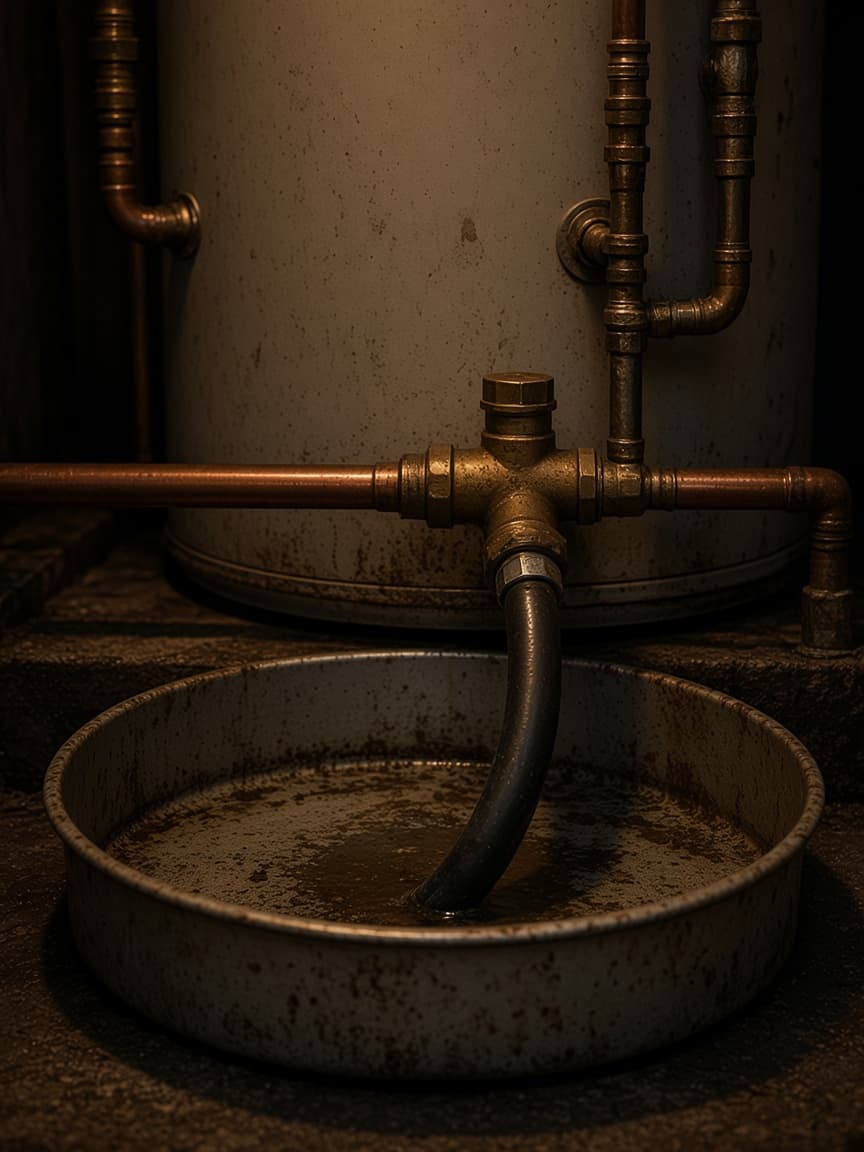
One of the primary causes of water heater failure is sediment buildup. Water carries natural minerals like calcium and magnesium. Over time, these minerals settle at the bottom of your water heater tank. When sediment accumulates: It creates an insulating barrier between the burner/heating element and the water, forcing your unit to work twice as hard. It causes hot spots that can crack or corrode the bottom of the steel tank. It creates popping or rumbling noises when water trapped under the sediment boils.
What to Do?
Drain and flush your tank water heater at least once a year. Connect a garden hose to the drain valve, run it to a drain or driveway, and flush out the accumulated sediment until the water runs completely clear.
Inspect and Replace the Anode Rod
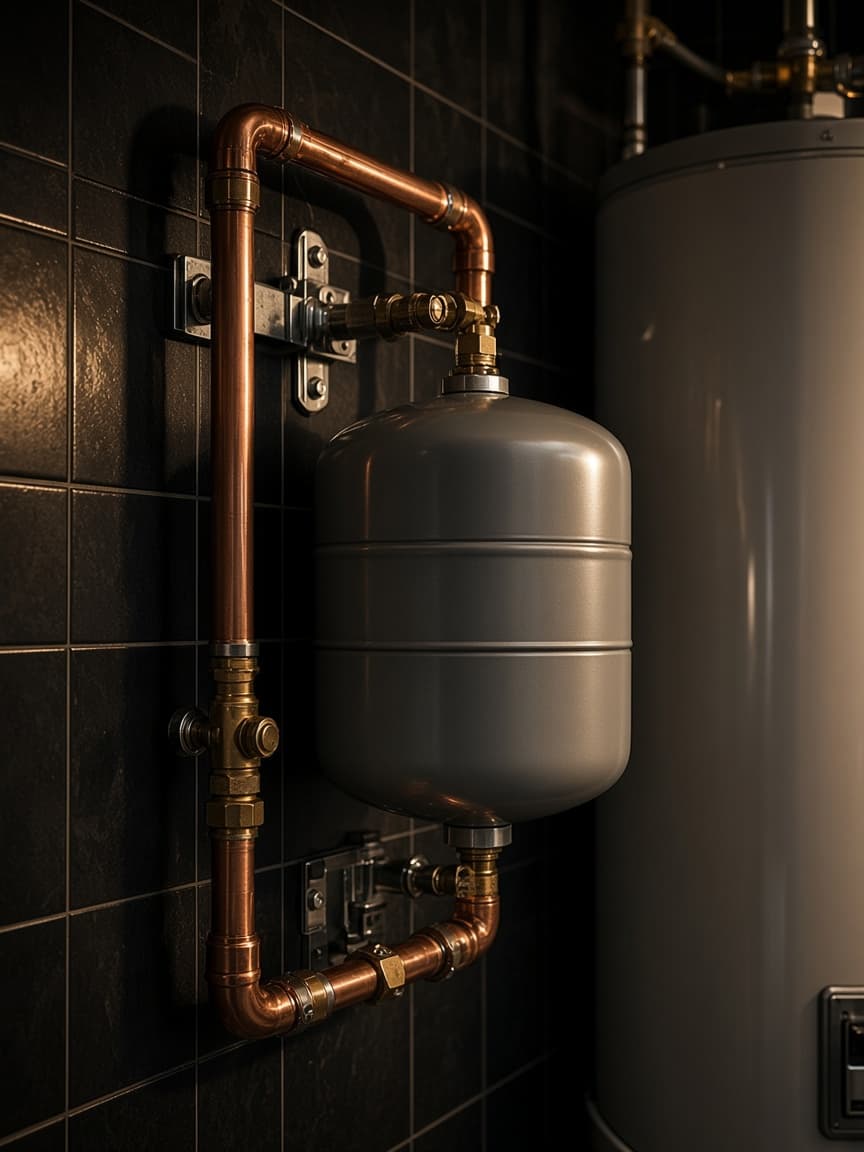
Inside every standard tank water heater sits a crucial component known as the sacrificial anode rod. Made of magnesium or aluminum wrapped around a steel core wire, this rod attracts corrosive elements in the water so they eat away at the rod rather than the steel lining of your tank. Once the anode rod is fully degraded, the corrosive elements turn their attention to the tank itself, leading to rust, leaks, and eventual failure.
What to Do?
Inspect your anode rod every 2 to 3 years. If it is coated in calcium, less than half an inch thick, or has its core wire exposed, replace it immediately. Spending a small amount on a replacement anode rod can easily extend your water heater’s lifespan by several years.
Test the Temperature & Pressure (T&P) Relief Valve
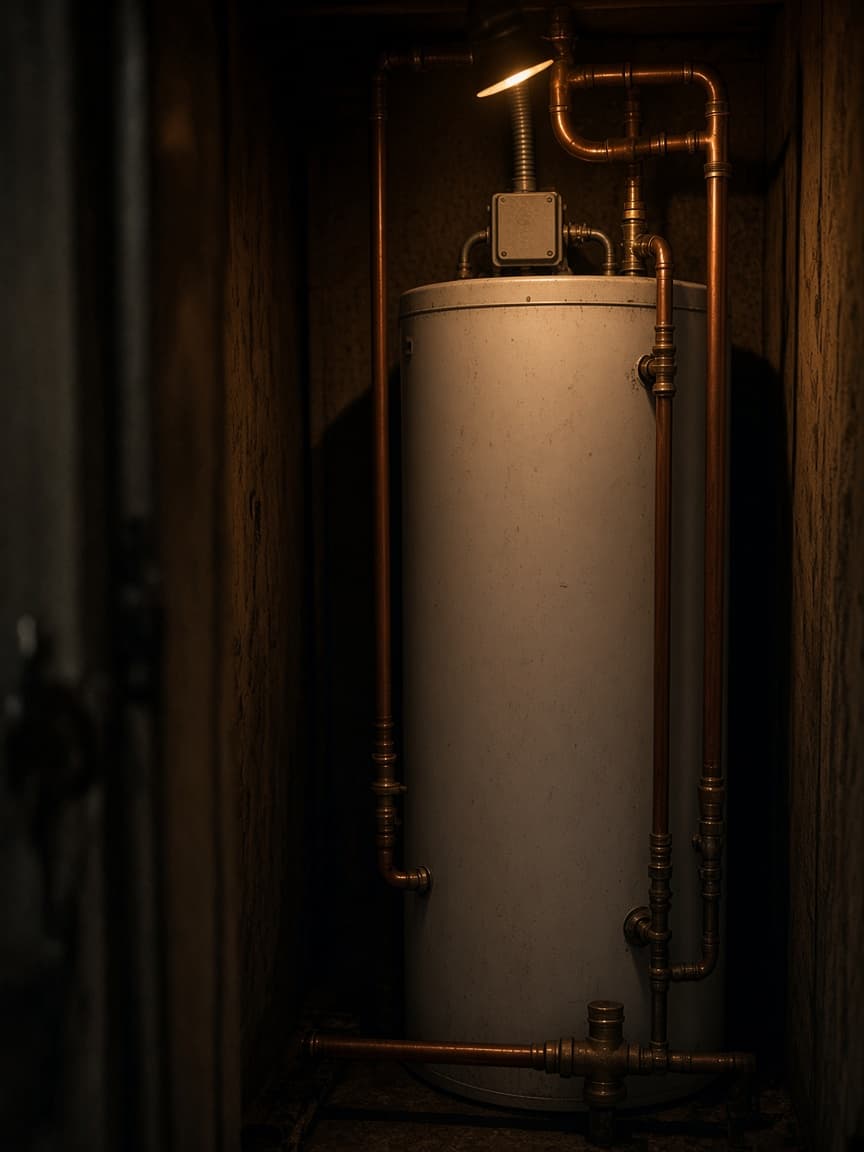
Your water heater’s Temperature & Pressure Relief (T&P) Valve is its ultimate safety mechanism. As water heats up, it expands, increasing pressure inside the tank. If that pressure reaches unsafe levels, the T&P valve automatically opens to release excess heat and pressure, preventing dangerous ruptures. If this valve gets stuck due to mineral buildup or corrosion, excessive pressure could split your tank.
What to Do?
Test the T&P valve once a year: Place a bucket under the discharge pipe connected to the valve. Lift the small lever on top of the valve to let a little water discharge. Release the lever. If water doesn't flow out, or if the valve continues to drip after you snap it shut, the valve is faulty and needs immediate replacement.
Insulate Pipes and Set the Right Temperature
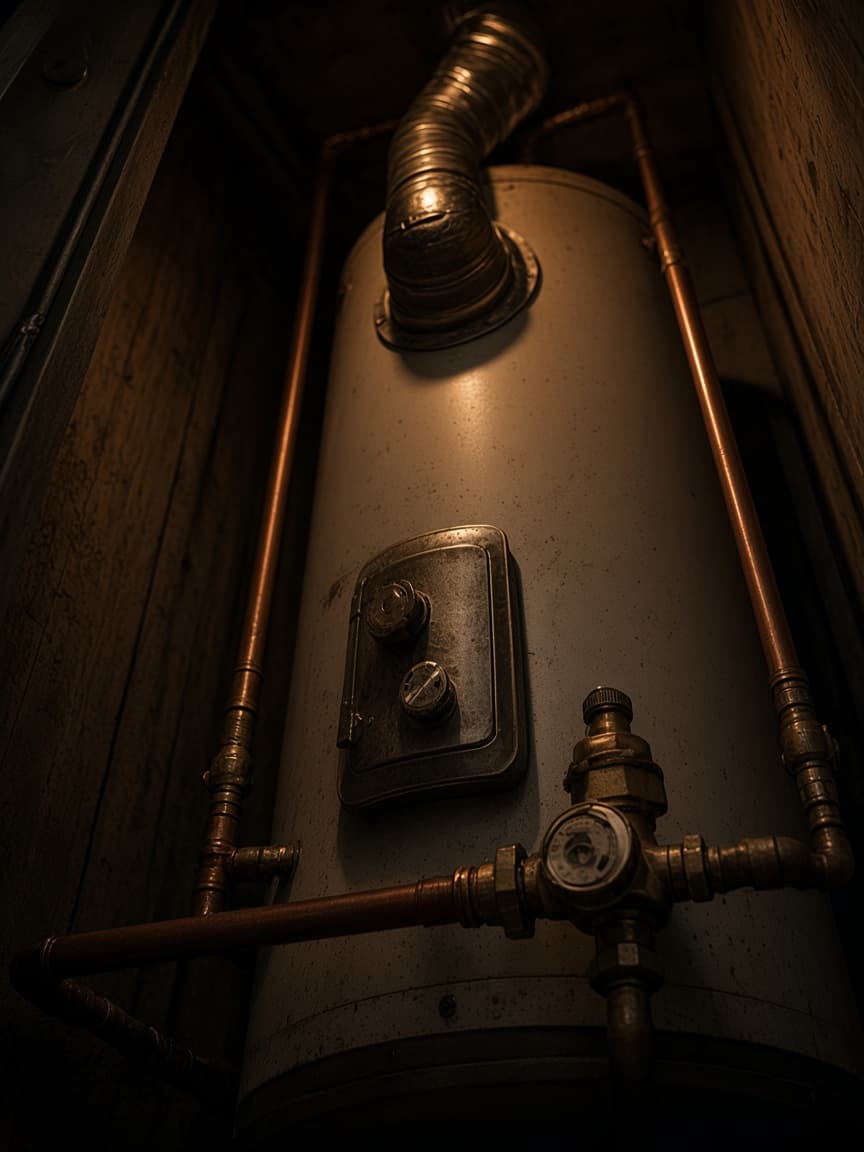
During Bellevue's chilly winter months, uninsulated pipes lose heat quickly as hot water travels from the heater to your faucets. This causes your water heater to run longer and work harder than necessary to deliver warm water throughout your home.
What to Do?
Set Your Thermostat to 120°F (49°C): Most manufacturers set water heaters to 140°F by default, which accelerates mineral buildup and increases the risk of scalding. Lowering it to 120°F saves energy, reduces tank strain, and slows down mineral precipitation. Insulate Hot Water Pipes: Install foam pipe insulation sleeves on the first 6 feet of exposed hot and cold water pipes connected to the unit.
Pay Attention to Warning Signs
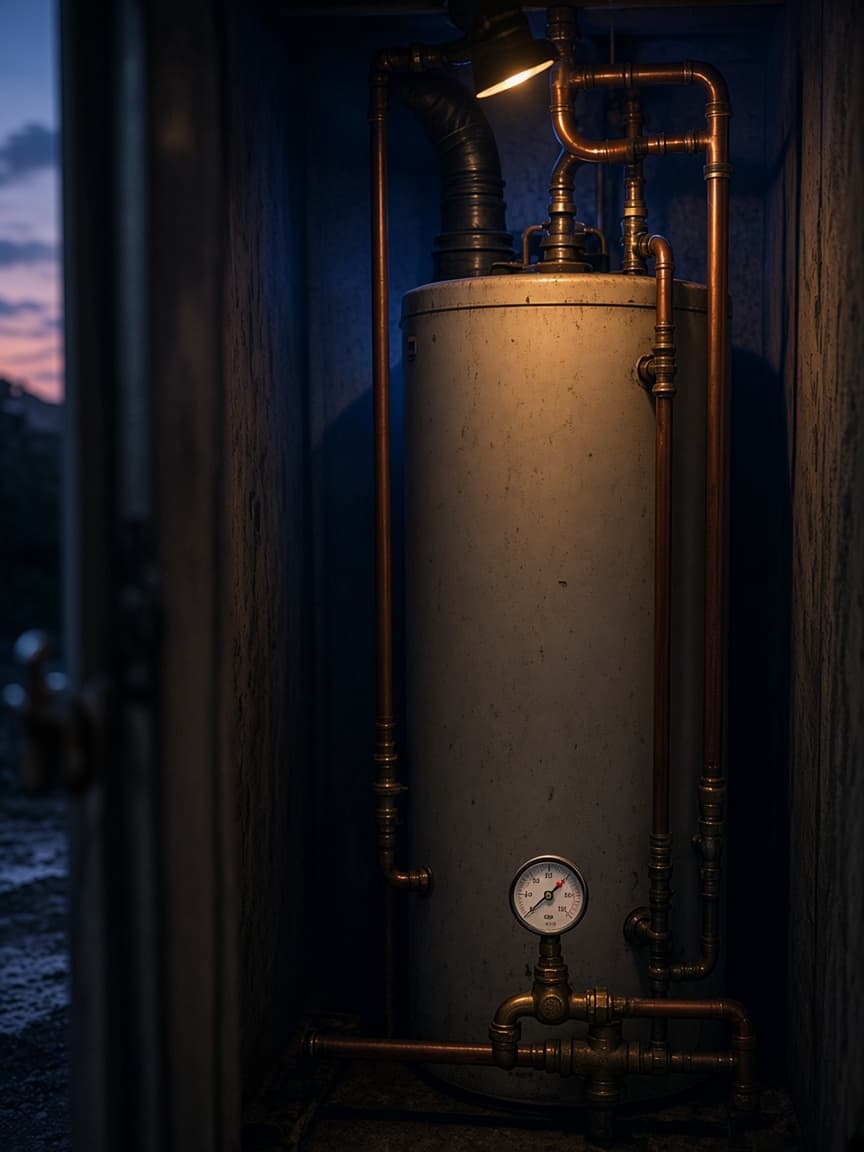
Water heaters rarely break down without warning. Keeping an eye and ear out for early warning signs allows you to address minor plumbing issues before they turn into major emergencies: Symptom What It Means? Recommended Action Popping or Rumbling Noise Heavy mineral sediment sitting at the tank bottom. Flush the tank immediately to clear buildup. Rusty or Discolored Water Internal tank corrosion or a depleted anode rod. Check the anode rod; replace if rusted out. Tepid or Inconsistent Heat Failing heating element, thermostat, or dip tube. Test heating elements and thermostats. Water Pooling Near the Base Loose fittings, leaking valves, or a fractured tank. Tighten connections; call a professional plumber if the tank itself is leaking.
Schedule Professional Preventive Maintenance
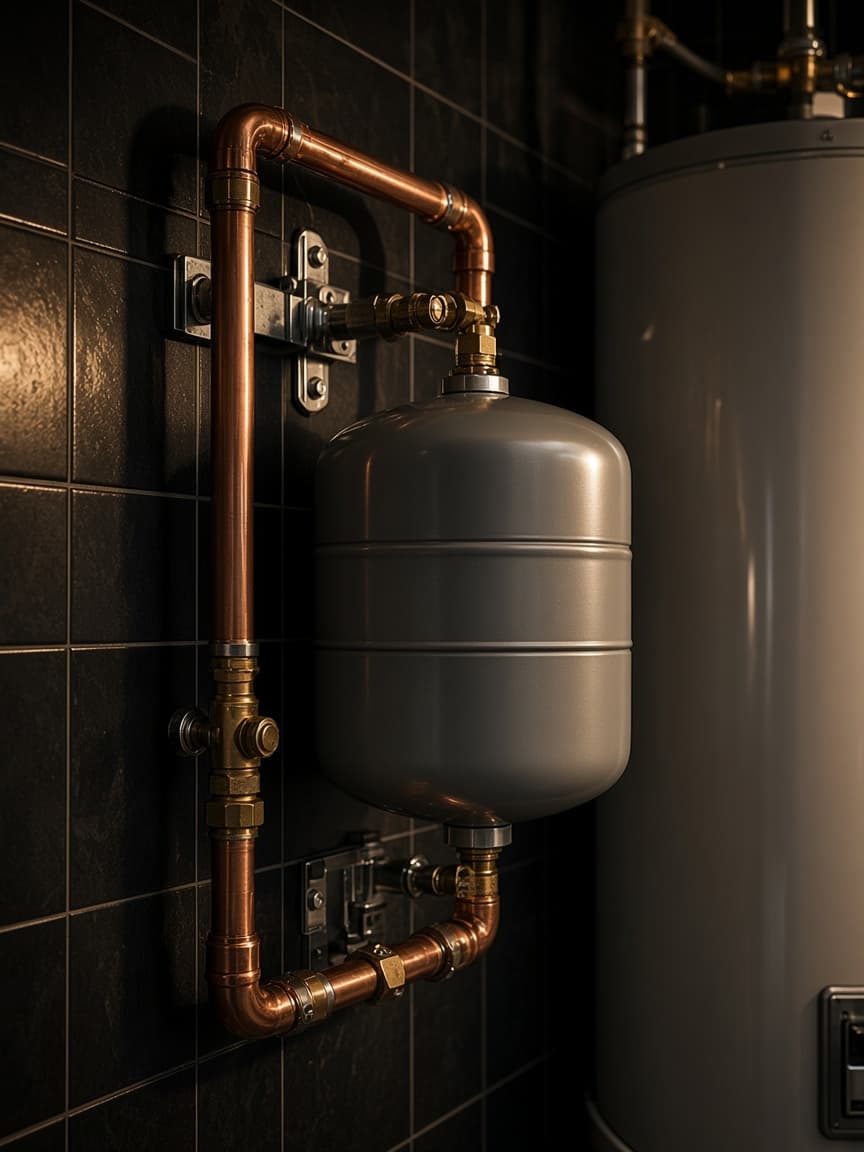
While simple checks like flushing the system or testing valves can be done by proactive homeowners, scheduling annual maintenance with a licensed plumber ensures complete system integrity. A professional technician will check gas lines and flue pipes for safety, test heating elements, inspect expansion tanks, check electrical connections, and make sure your system complies with local Bellevue plumbing codes.
Close the case
Taking proactive care of your Bellevue home’s water heater is the best defense against unexpected breakdowns, costly water damage, and icy morning showers. By flushing sediment annually, checking the anode rod, and watching for early warning signs, you extend your unit’s lifespan and protect your investment. Don’t wait for a leak—schedule routine maintenance today to keep your hot water flowing reliably through every Pacific Northwest season.
Related files
Keep reading
 Water HeatersWhy Is Your Water Heater Making Popping or Rumbling Noises?October 31, 2026Popping or rumbling from your water heater usually means sediment, mineral scale, air, high temperature, or pressure issues—here’s what causes it and how to fix it.Read more
 Water HeatersWhy Is Your Home’s Hot Water Running Out So Quickly?October 30, 2026Sediment, failed heating elements, broken dip tubes, thermostat issues, and undersized tanks—here’s why hot water disappears fast and how to fix it.Read more
 Water HeatersWhen Should Arlington, WA Homeowners Replace Their Residential Water Heaters?October 28, 2026Lifespans, Arlington-specific wear factors, warning signs, and a clear repair-vs-replace guide for Snohomish County homeowners.Read more