Field note · Water Heaters
What Are the Most Common Water Heater Problems Homeowners Face in Washington?
By Private I Plumbing · October 23, 2026
Whether you live in rainy Western Washington, near Puget Sound, or in the drier, colder high-desert regions of Eastern Washington, a functioning water heater is essential for daily comfort. However, the Pacific Northwest’s unique climate and varied local water conditions create distinct challenges for residential heating units. From high mineral levels to fluctuating seasonal temperatures, Washington homeowners frequently encounter performance drops and unexpected breakdowns. Understanding the root causes of these issues can help you protect your system, extend its lifespan, and maintain a steady supply of hot water year-round.
Fluctuating or Insufficient Hot Water Supply
During cold Washington winters, frigid groundwater enters residential plumbing systems, forcing water heaters to work significantly harder. Homeowners frequently experience showers turning lukewarm quickly or running completely cold mid-use. This frustrating issue typically points to broken internal components or severe temperature drops that overload the system. When heating elements degrade or dip tubes fail, cold water mixes directly with hot water, drastically reducing your home’s available hot water supply and driving up monthly utility expenses unnecessarily.
Hard Water Sediment Buildup and Tank Noises
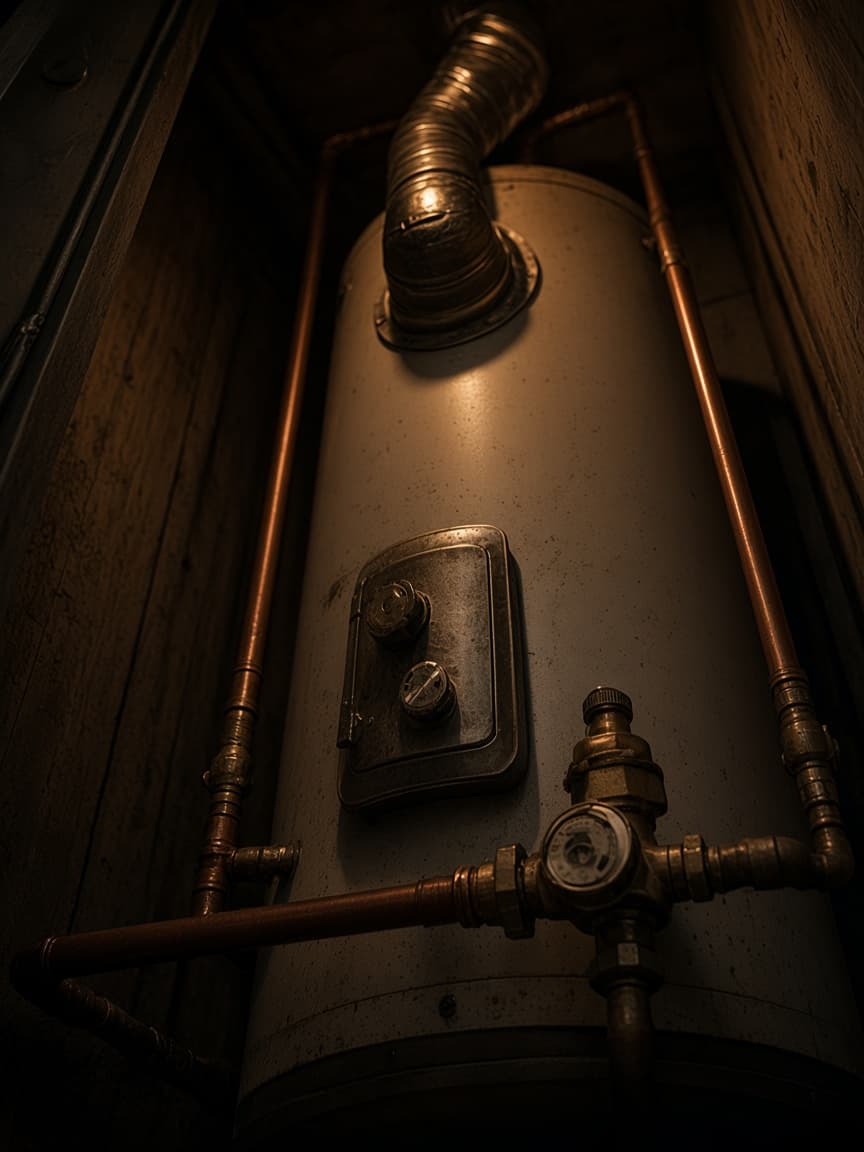
Hard water is a common environmental challenge across many Washington municipalities, packed with high concentrations of dissolved minerals like calcium and magnesium. As water heats inside the tank, these minerals settle at the bottom, creating a dense layer of limescale sediment. Over time, trapped water underneath this sediment boils, generating disturbing popping, rumbling, or knocking noises. This heavy buildup acts as a barrier, slowing heat transfer, causing unit overheating, and accelerating internal tank destruction.
Water Leaks and Pressure Relief Valve Issues
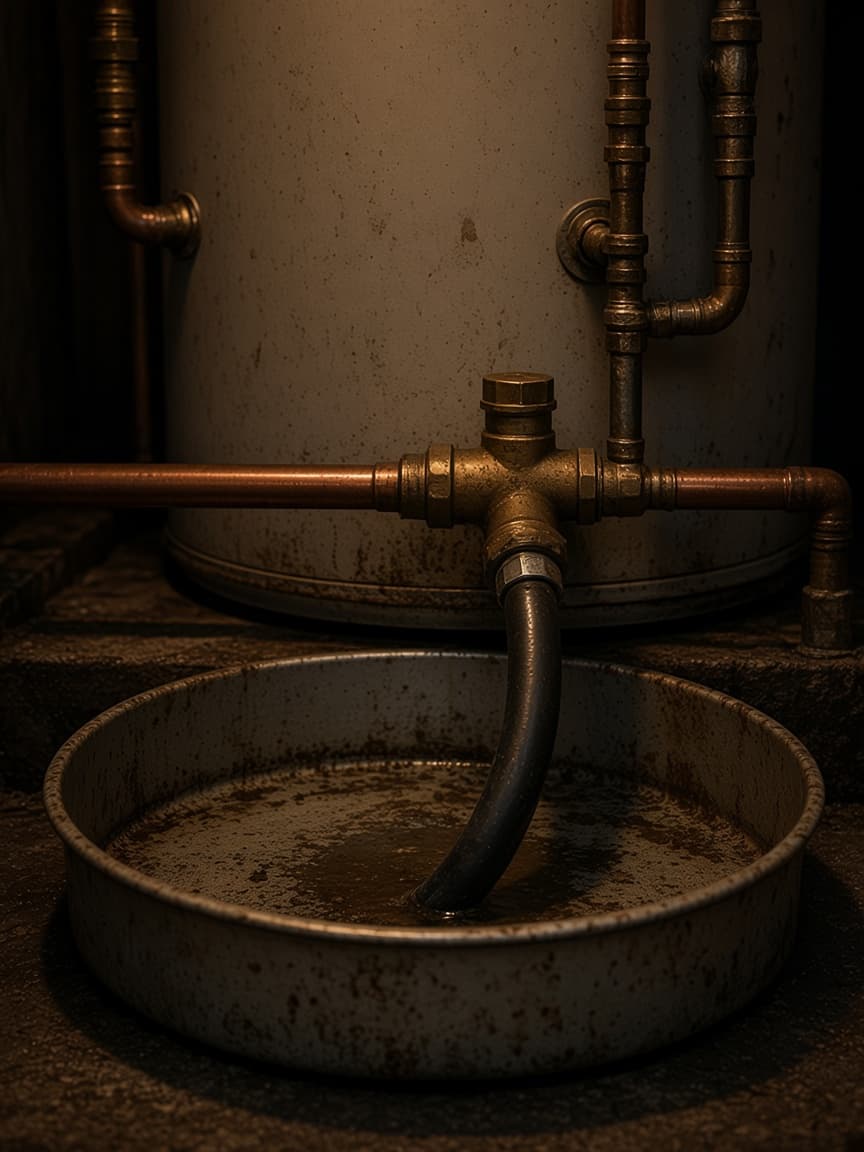
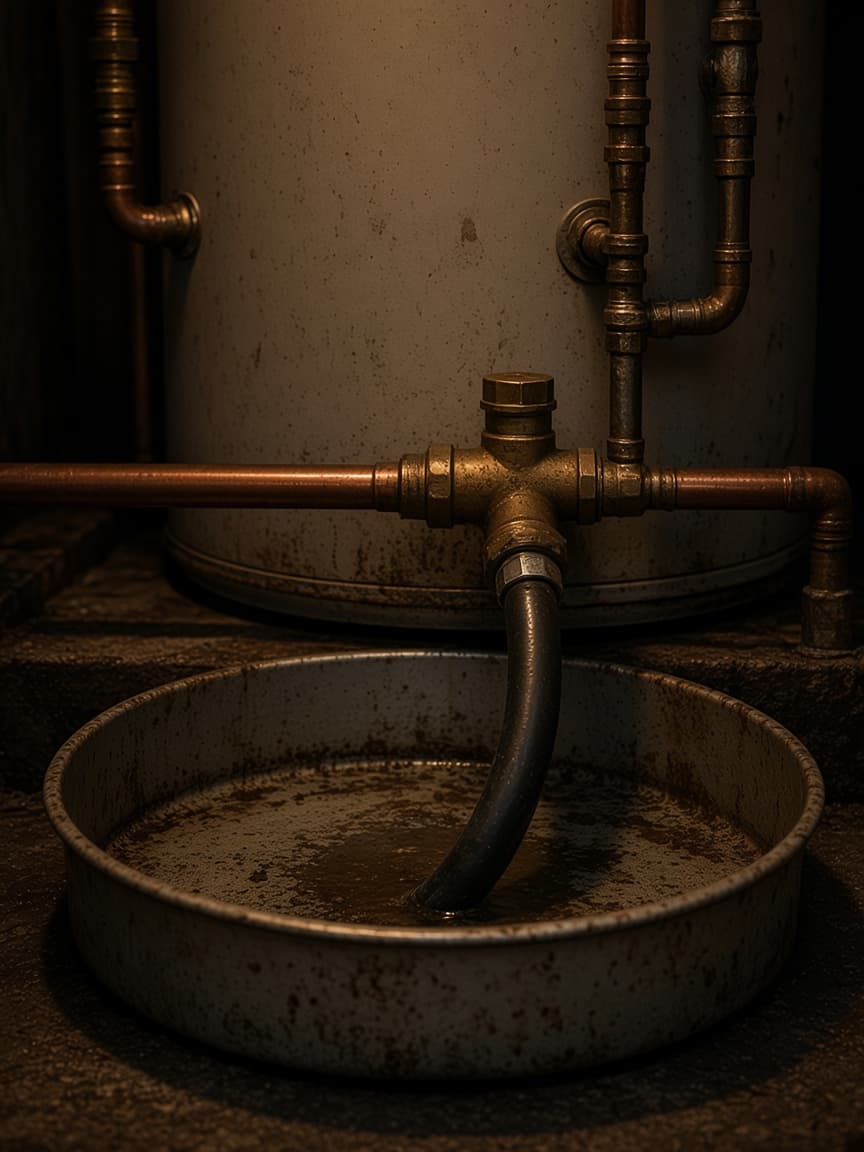
Noticing pooled water surrounding your water heater requires immediate attention before costly water damage occurs. In Washington, thermal expansion caused by severe seasonal temperature changes creates immense stress on plumbing joints and tank linings. Leaks often originate from loose pipe connections, high municipal water pressure, corroded tank bottoms, or a leaking Temperature and Pressure (T&P) relief valve. Ignoring these small leaks can lead to major structural flooding, structural mold growth, and complete system failure.
Discolored or Foul-Smelling Water
Turning on the hot water tap only to find rusty, cloudy water or a sharp rotten-egg odor indicates clear internal contamination. Discolored reddish or brownish water typically signals severe internal tank corrosion or deteriorating galvanized piping. Meanwhile, a foul sulfur smell is created when anaerobic bacteria react with the sacrificial anode rod inside the tank. This problem is especially common in Washington homes utilizing private well water high in natural sulfates and minerals.
Frozen or Uninsulated Water Line Freeze-Ups
Washington winters frequently drop below freezing, putting water heaters situated in unheated garages, basements, or crawlspaces at extreme risk. Uninsulated supply lines lose thermal energy rapidly, forcing the unit to consume excess energy just to maintain basic warmth. In severe cold snaps, static water inside exposed plumbing lines can freeze solid. Ice expansion creates extreme pressure, causing supply lines to crack, burst, and flood homes with catastrophic water volume once thawed.
Close the case
Facing water heater issues in Washington doesn't have to be overwhelming. By understanding common problems like sediment buildup, line freeze-ups, and pressure leaks, you can take timely action. Regular flushing, proper pipe insulation, and prompt professional maintenance will keep your system running efficiently, ensuring consistent hot water all year long.
Related files
Keep reading
 Water HeatersWhen Should Arlington, WA Homeowners Replace Their Residential Water Heaters?October 28, 2026Lifespans, Arlington-specific wear factors, warning signs, and a clear repair-vs-replace guide for Snohomish County homeowners.Read more
 Water HeatersWhat Should Homeowners Know Before Installing a New Water Heater?October 26, 2026From replacement warning signs to tank vs. tankless, sizing, utility upgrades, and install-day prep—here’s what to know before you put in a new water heater.Read more
 Water HeatersHow Much Does Water Heater Replacement Cost for a Home in Washington?October 25, 2026Washington homeowners typically pay $1,800–$4,500 to replace a water heater. See costs by type, labor and code drivers, and how rebates can lower your bill.Read more